Video Uploads: Finals
Here are links to the final presentation videos for both semester projects:
1. The Womb
http://www.youtube.com/watch?v=viFhiqUjbNU
2. Exurbia Revisited: 3 Interpretations of a House Typology
The scissor truss as structure….
In the endeavor to find a structure to support such a high pitched roof I came upon a system commonly used in Western European churches. The scissor truss in this example has a nominal depth of 6 ft at its highest and tapers to 4ft as the roof slopes to accomodate the angle of the sun. These steel trusses are set 4 ft O.C. and rest upon precast concrete walls. These are not meant to be working drawings but rather diagramatic structural images I will incorporate into the final poster.

Site Plan Adjustment
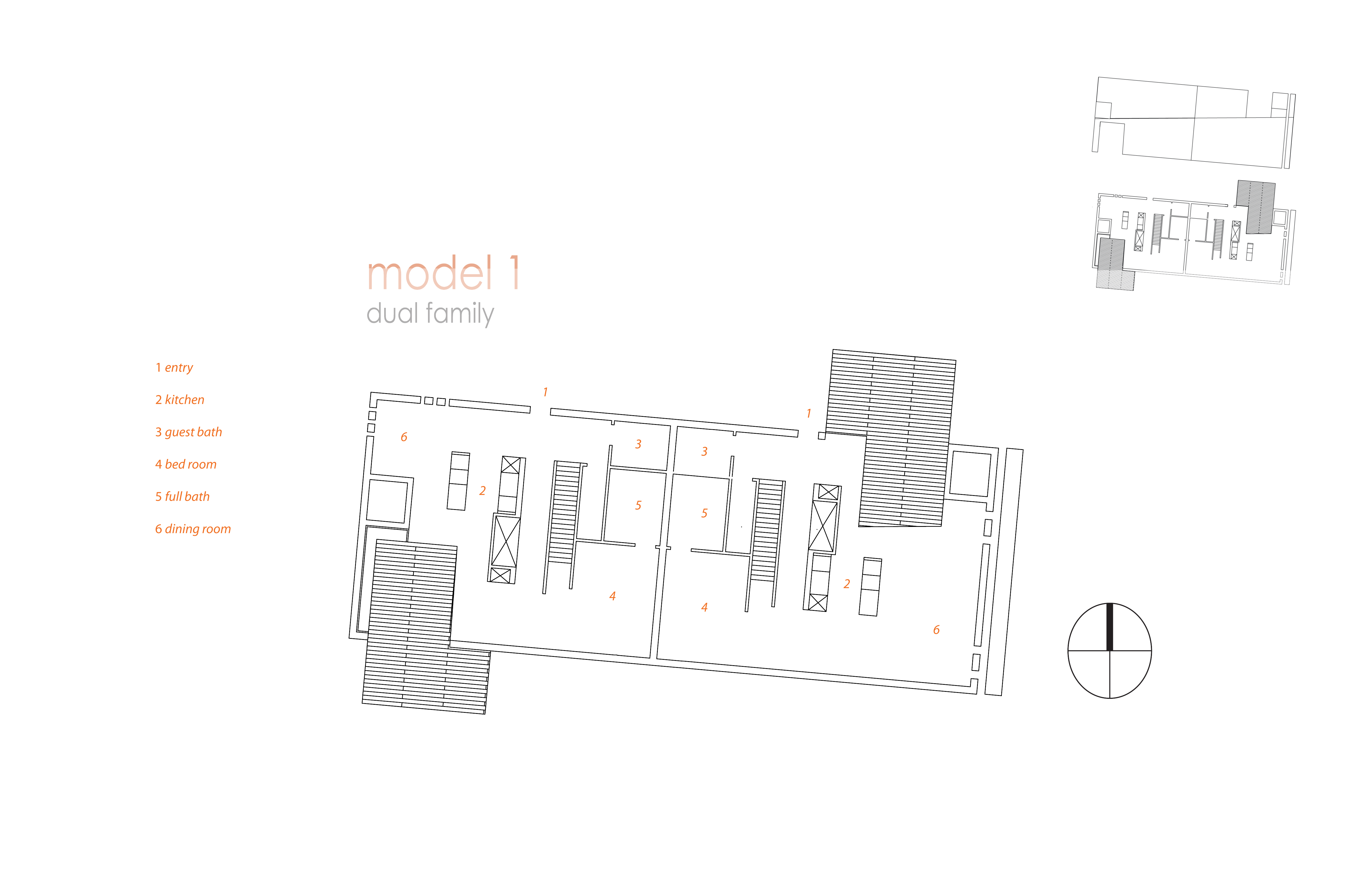
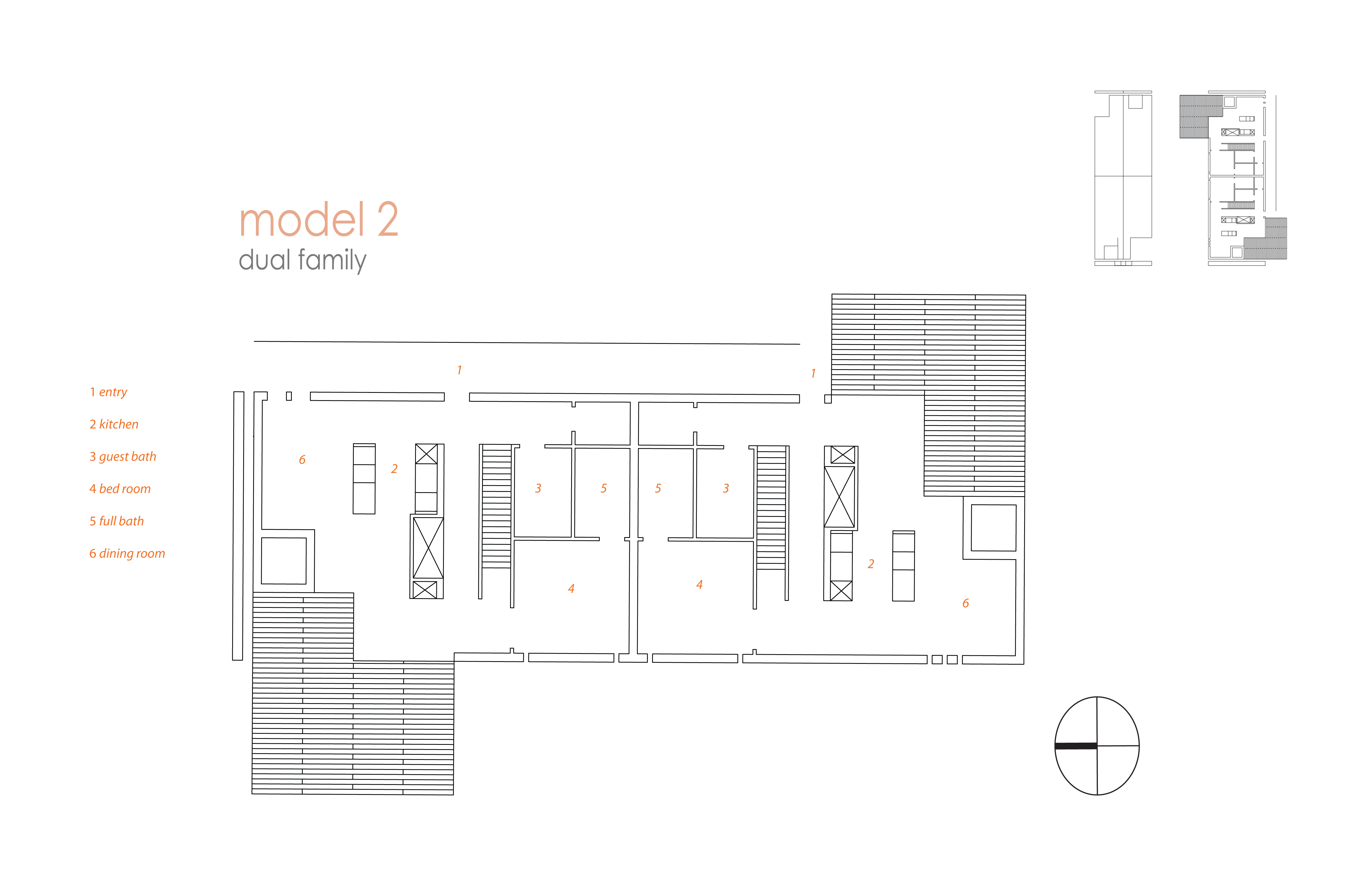
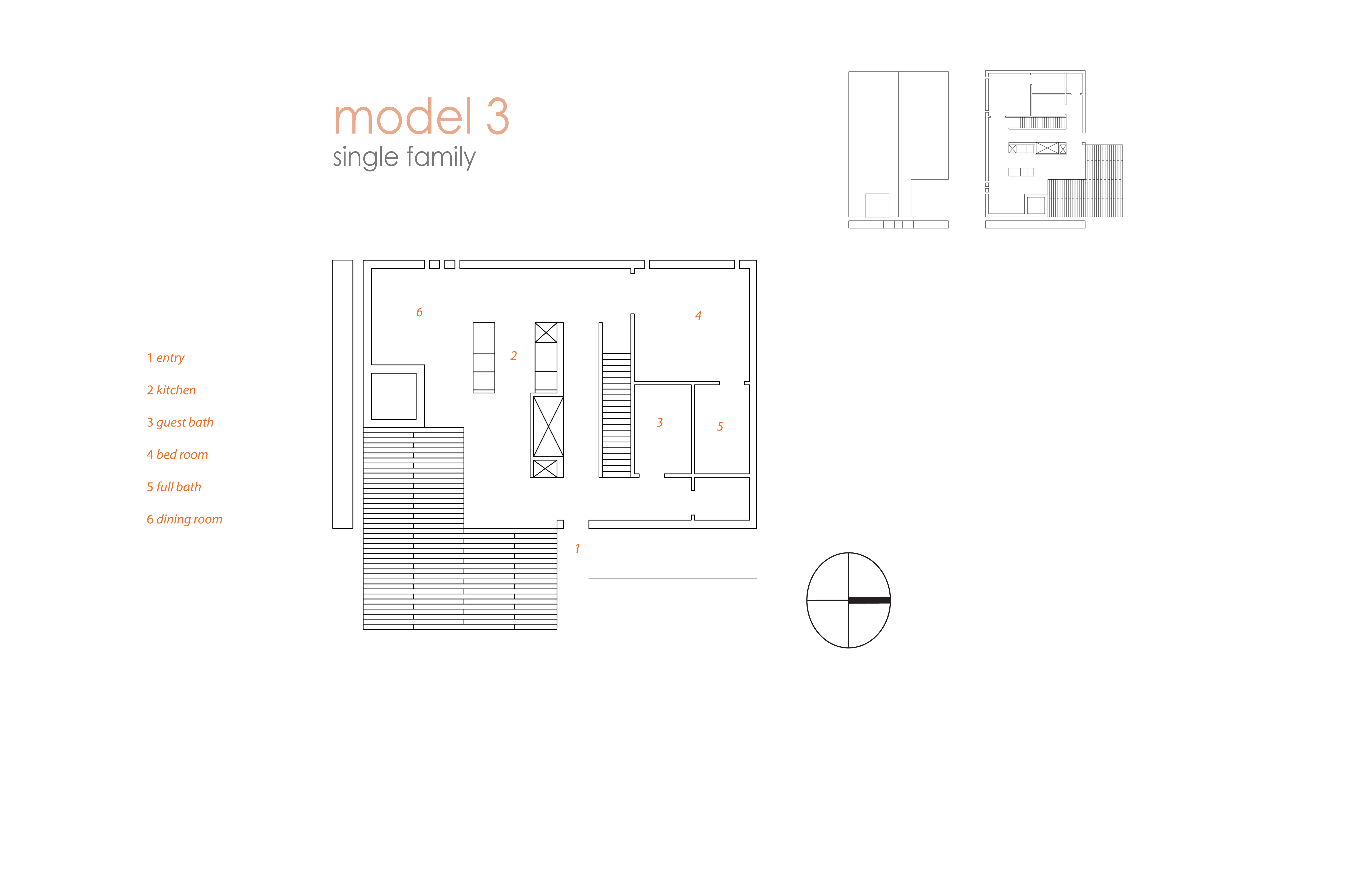
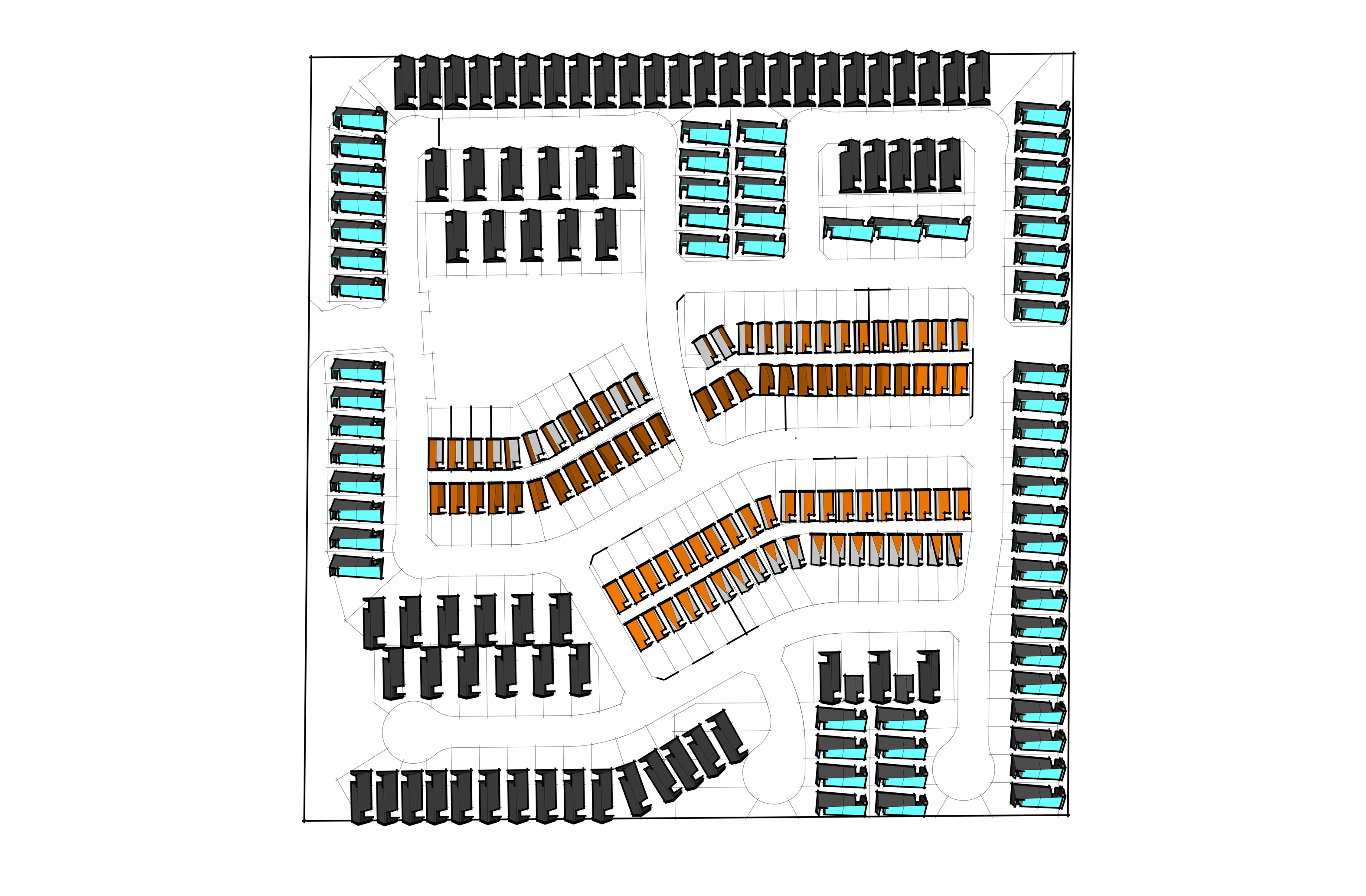
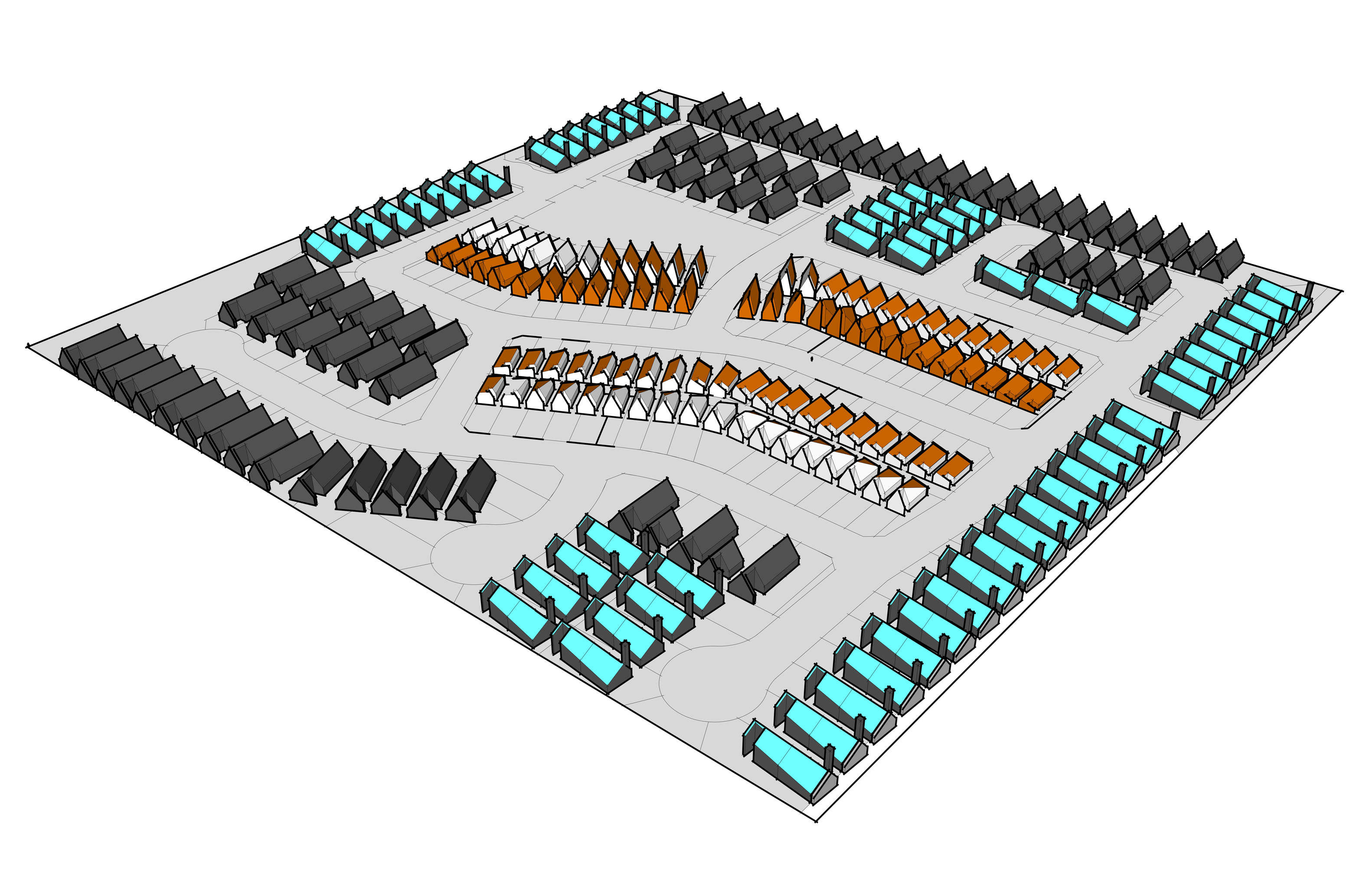
The prior site plan, although listed as ‘preliminary’, confused reviewers in its simplicity and rudimentery arrangement. What I had attempted to do before was calculate potential kW harnessed from PV panels. Below is a revised site plan more closely resembling the final product. I am preserving the sun dial homes as I feel they represent the crux the project. While the surrounding homes harness power and house their occupants in the present and near future, the sundial homes are intended to function into the distant future. I have developed several models of home, both single- and dual-family. They are arranged intentionally as to preserve the extant infrastructural grid. Density is exactly doubled. 180 homes shifts to 360. This number represents the solar calendar year of Native Americans in both Northern and Southern Hemispheres.



thesis unraveled…
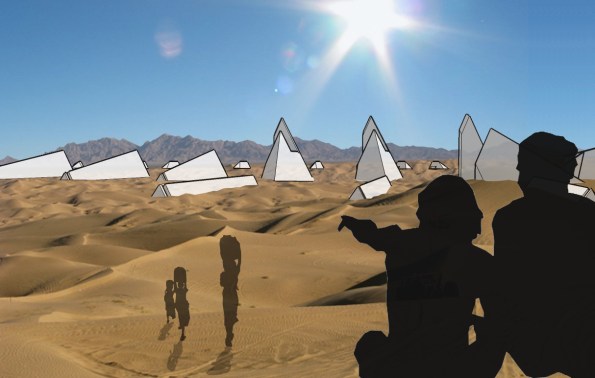
The mid review last week questioned several aspects of my proposal which I feel need addressed. The thesis is complex and quite loaded which for me is difficult to explain in short ‘blurbs’. The story is multi-facited. How does one design an off-grid desert-based subdivision put forth by a government agency in times of disaster? (This is a short-term question.) In terms of representation, how do I frame the project in such a manner in which the subdivision has a history? That is, beyond a generic context rendering, how can we interpret the life behind the buildings or their historical contexts as they change through time? Do their functions change as time passes? This addresses Darren’s comment on the “premanence of architecture” whereby I am seeking to design an enduring landmark meant to withstand centuries. Finally, along similar lines, why can residential architecture not have functions similar to those of cerimonial/religious architecture of the past as celestial clocks or charts intended to disseminate knowledge into the future. (These are long-term questions.) These are the questions I am wrapping my head around….
Phase 4 : Glendale A.D. 2100
Can residential architecture serve to communicate knowledge?
Preliminary Site Plan
As discussed, a subdivision which functions to both harness the power of the sun and track its movements far into the future….

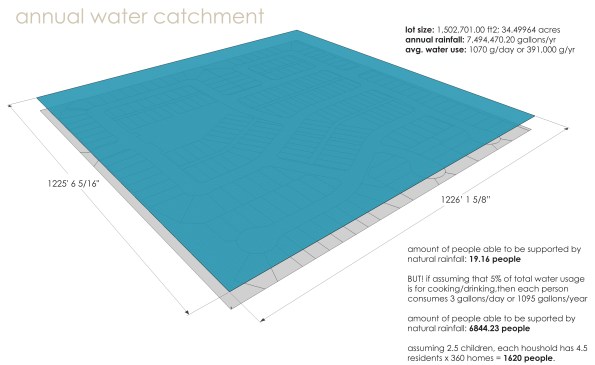
Rain Water Catchment?
Can we harness enough rain water to survive here in Arizona solely on it? This experiment explores the possibility within our project in Glendale. The “off-grid” subdivision is fast approaching.
Ranch House as Solar Collector
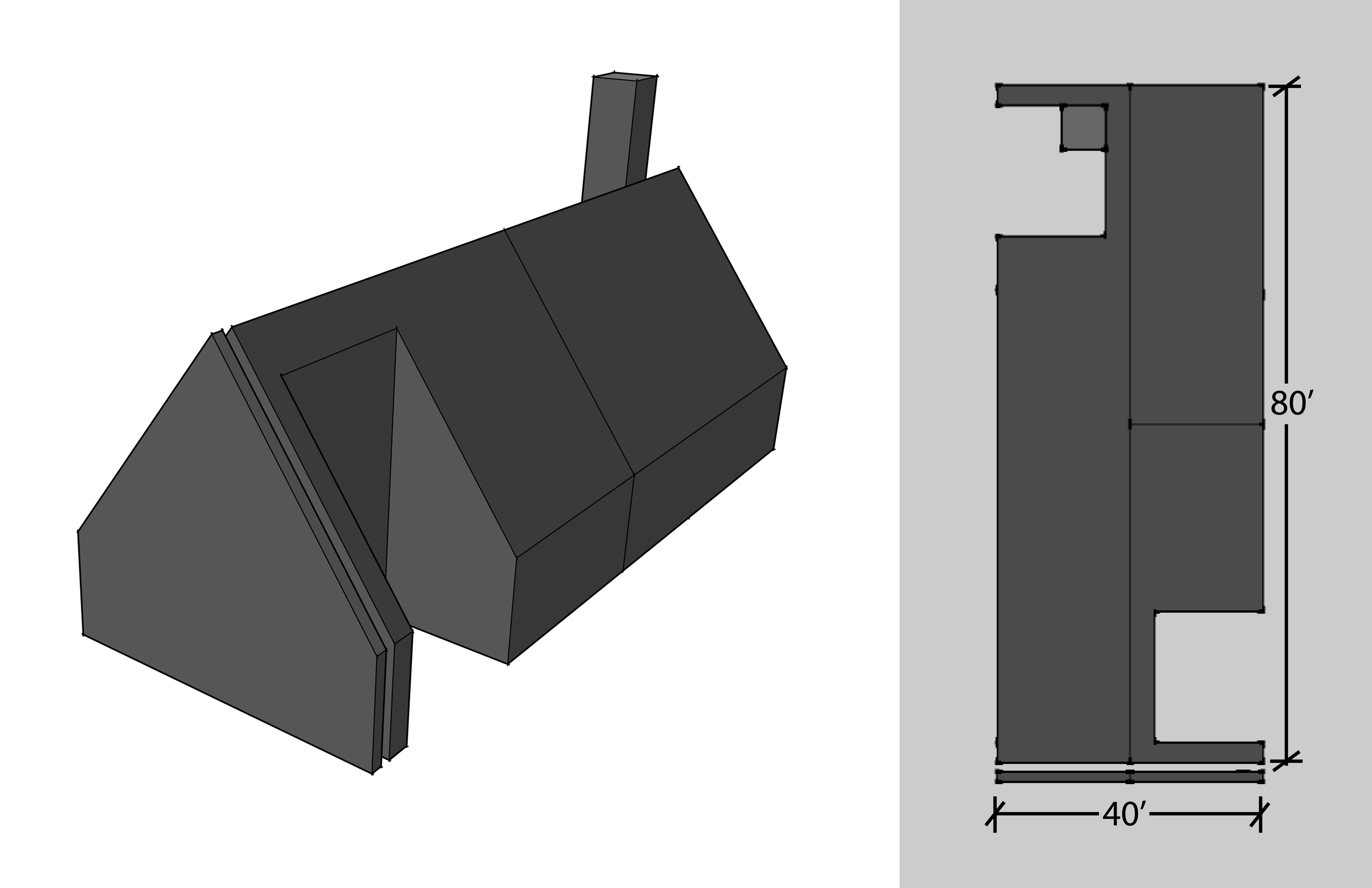
Upon building paper models of the parametric ranch homes warped by their relationship with the sun, Jason had pointed out how incredibly steep the roof planes appeared. This was a fortunate accident. Rather than modeling the roofs perpendicular to the sun (for solar power catchment), I had oriented the slope of the roof toward the sun. The result was a series of sun dials. Turns out that if one were to provide “fixed” solar panels to the roof, the optimum orientation would be 32.94 by averaging winter and solar angles. What if select homes were purposely included to chart the heavens while others to generate power for the subdivision. Below are two model homes which serve to supply power. These will repeat throughout the project. The power they could generate is stunning (if my math is correct).

The iconic chimney as a passive cooling system…
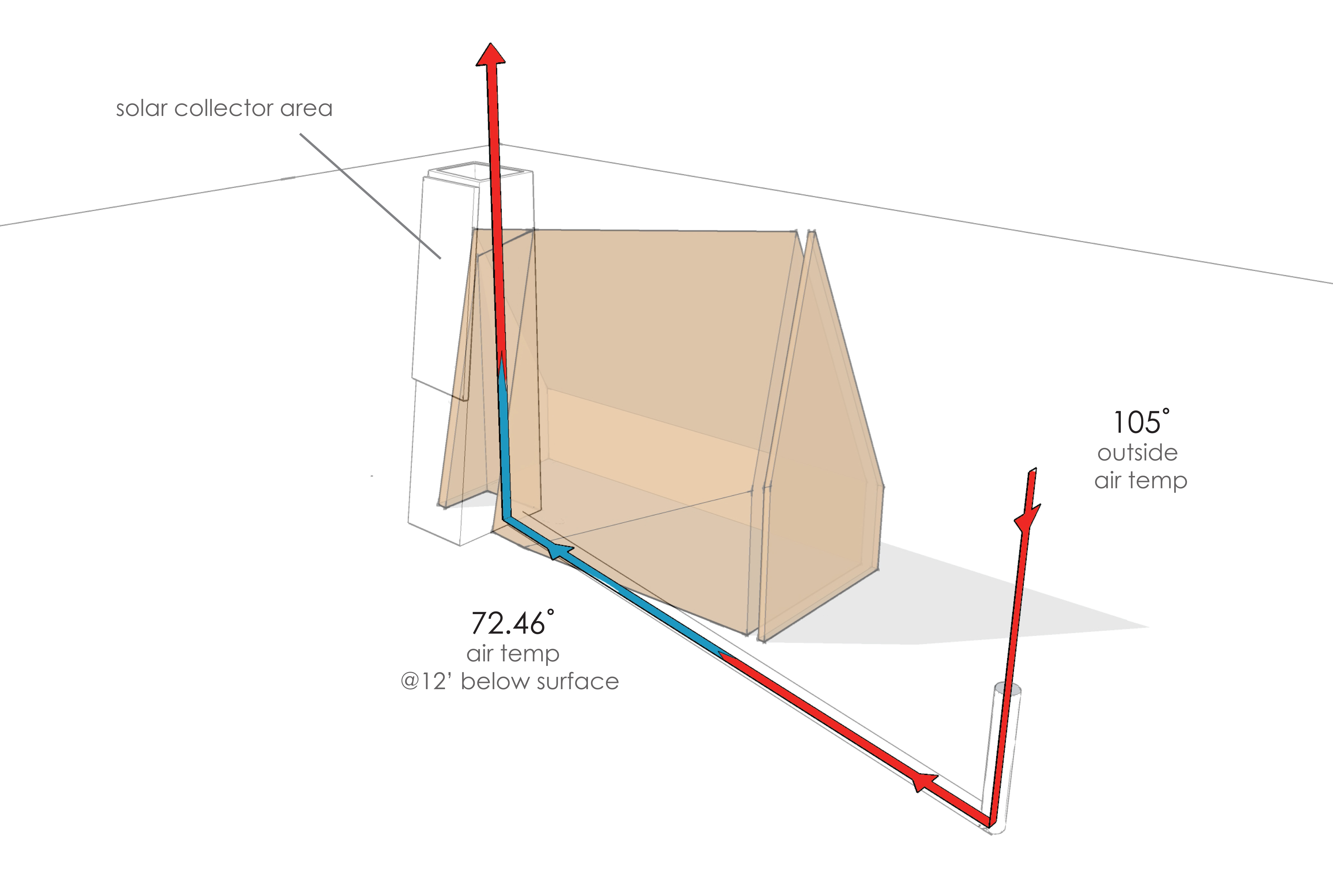
Keeping with the reinterpretations of iconic forms, I am curious as to whether the chimney form can be repurposed as a passive cooling system. Two systems I am exploring: the ‘passive down-draft cooltower’ and the ‘solar chimney’ are presented below as passive cooling options to circulate air within each home without the use of fossil fuel driven HVAC systems.
A passive down-draft cool tower allows water to evaporate at the top of a tower, either by using evaporative cooling pads or by spraying water. Evaporation cools the incoming air, causing a downdraft of cool air that will bring down the temperature inside the building. Airflow can be increased by using a solar chimney on the opposite side of the building to help in venting hot air to the outside. This concept has been used for the Visitor Center of Zion National Park.
A solar chimney — often referred to as a thermal chimney — is a way of improving the natural ventilation of buildings by using convection of air heated by passive solar energy. A simple description of a solar chimney is that of a vertical shaft utilizing solar energy to enhance the natural stack ventilation through a building.

 Michael Lu's Blog