






Competition Submission: Legacies Are Built Winner
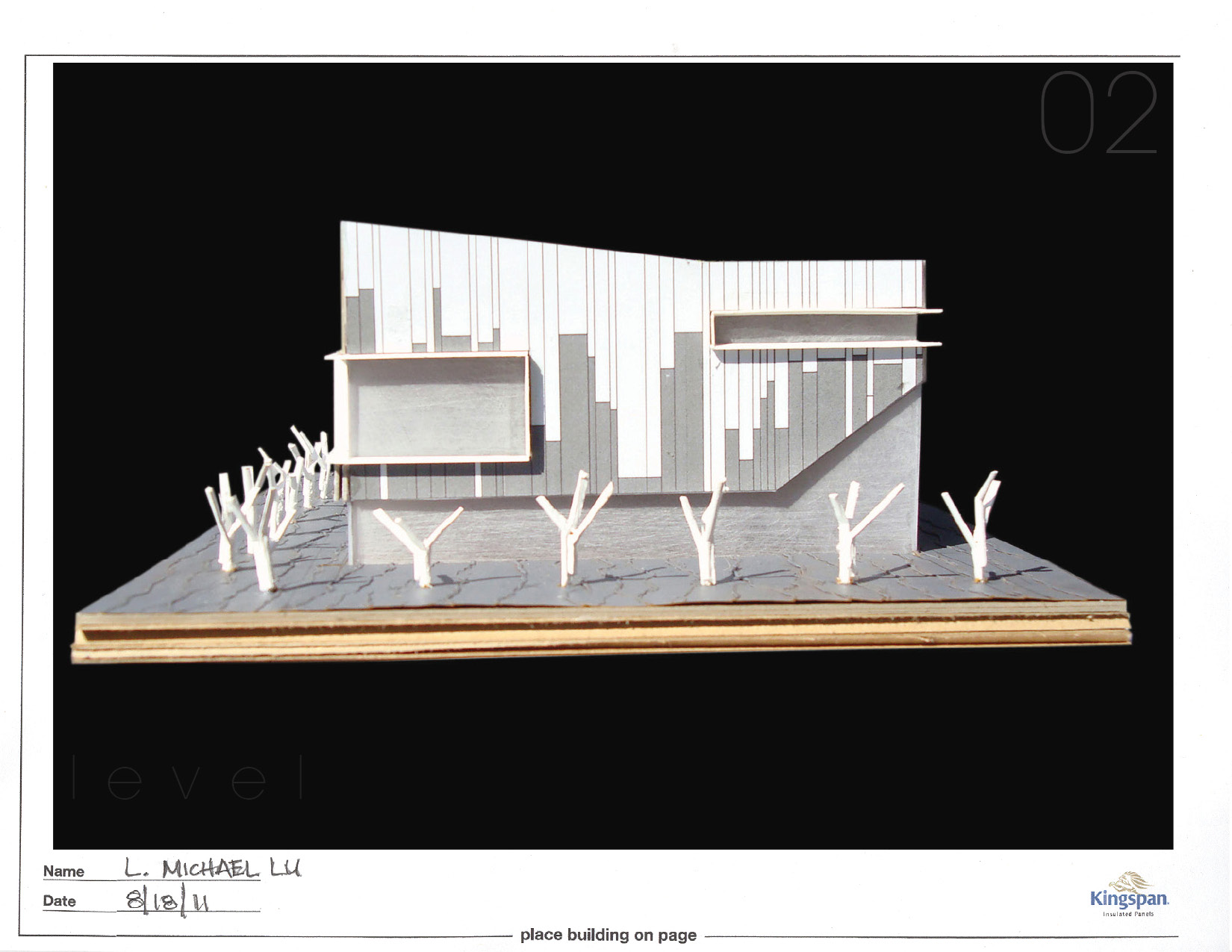
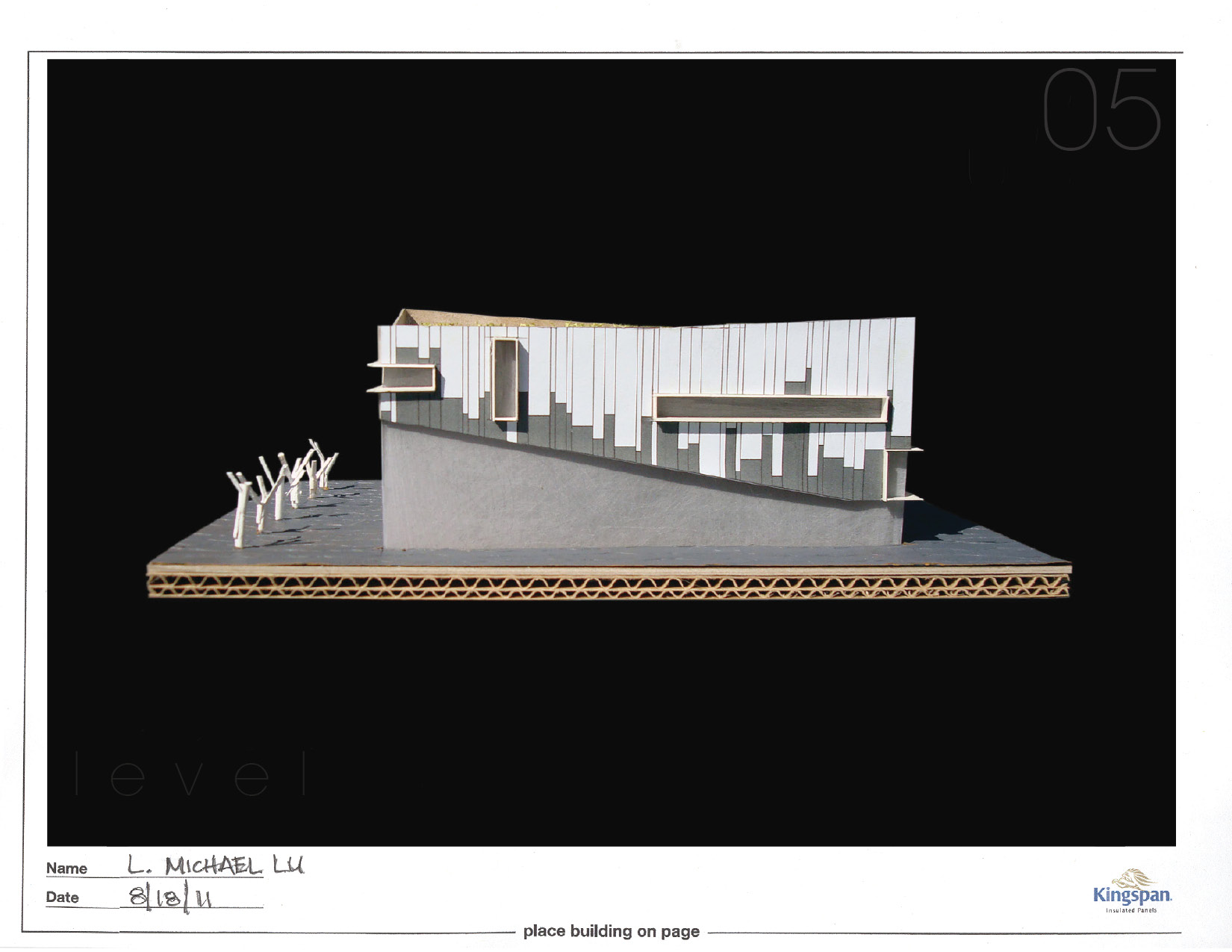
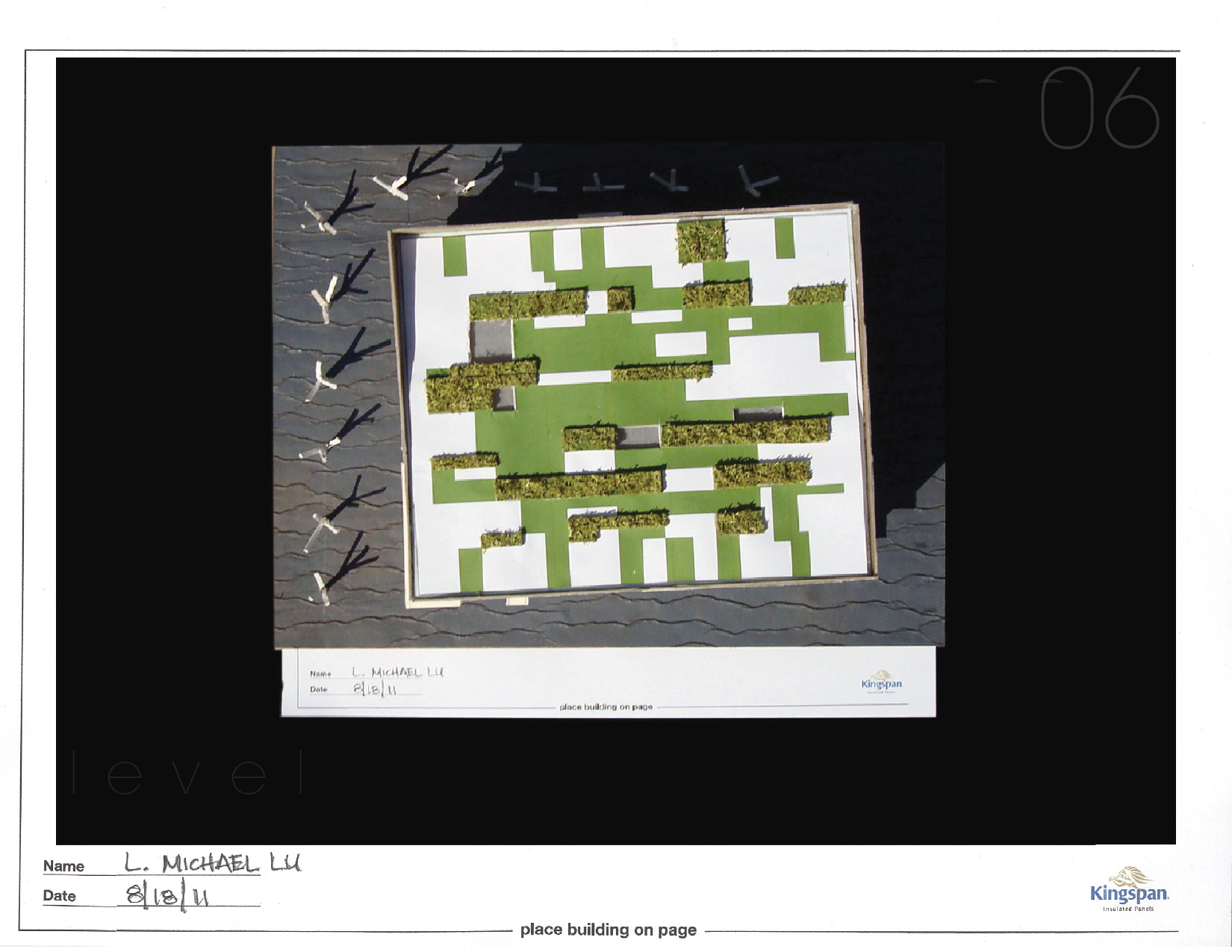
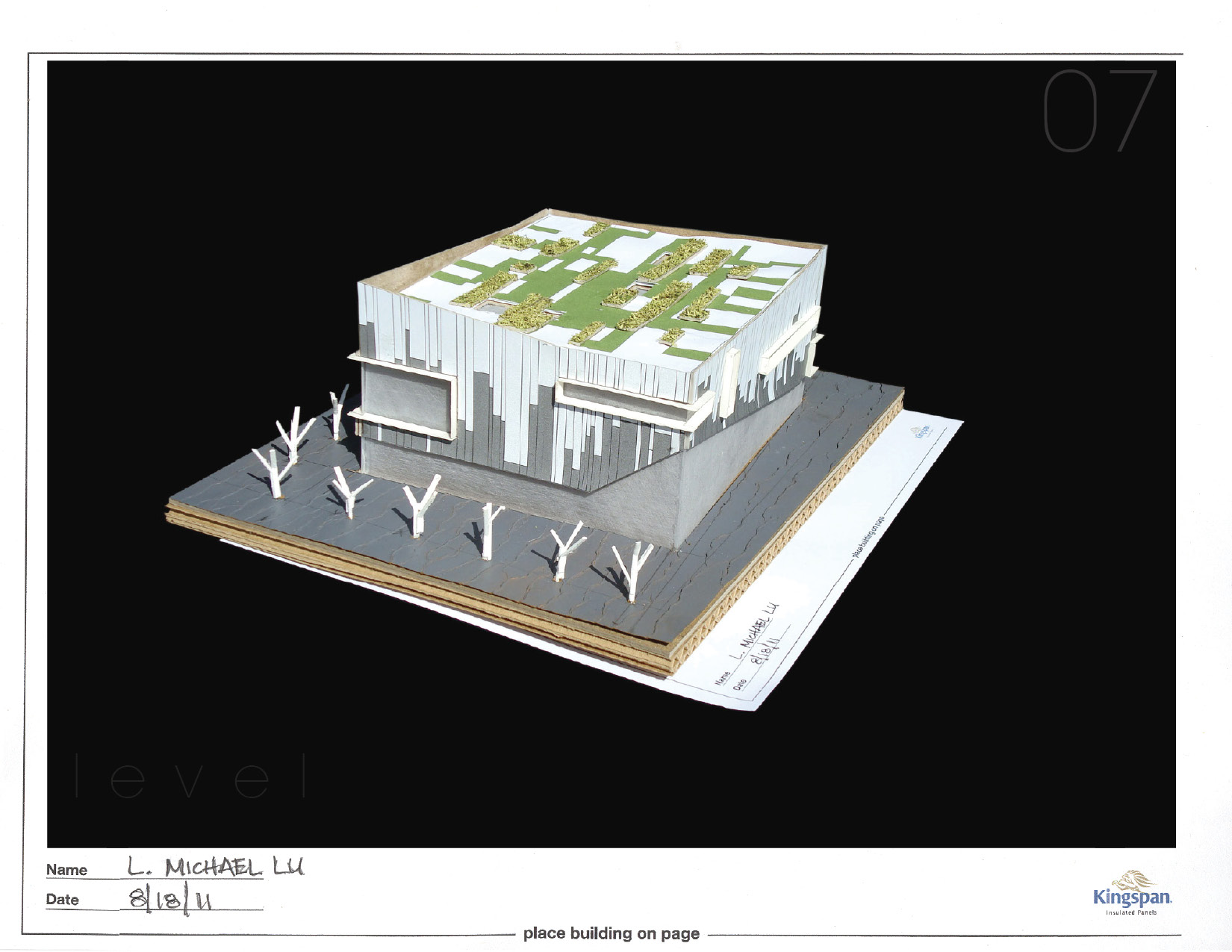
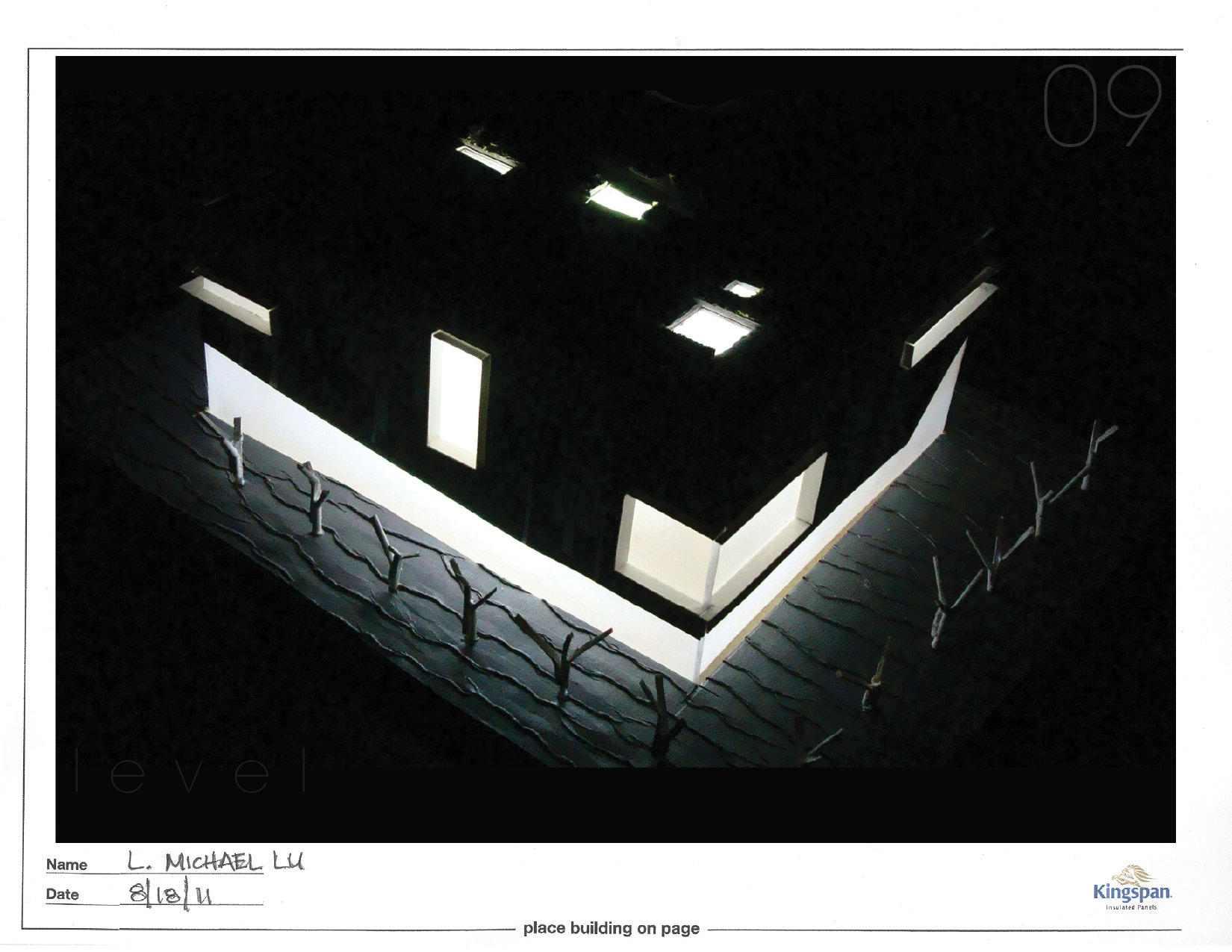
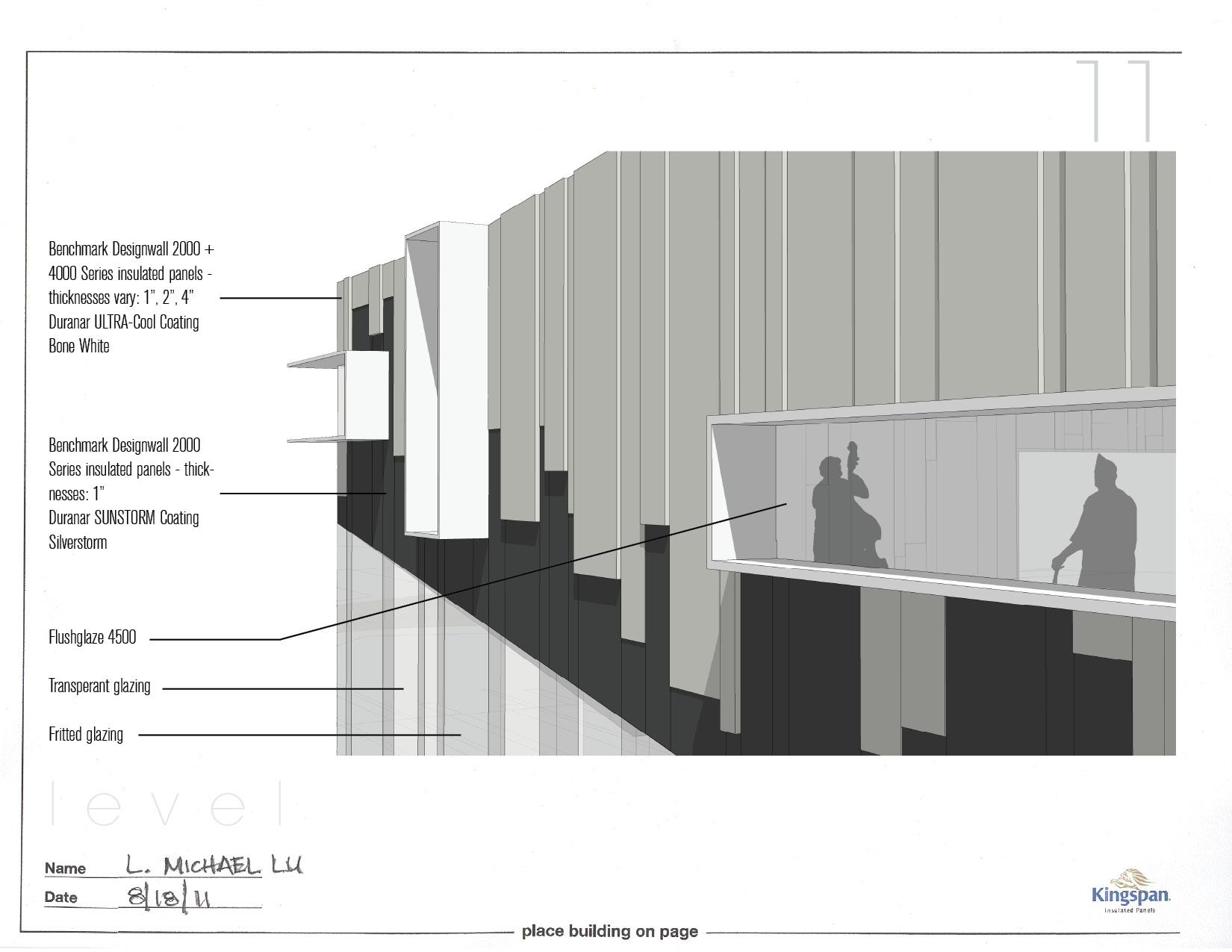
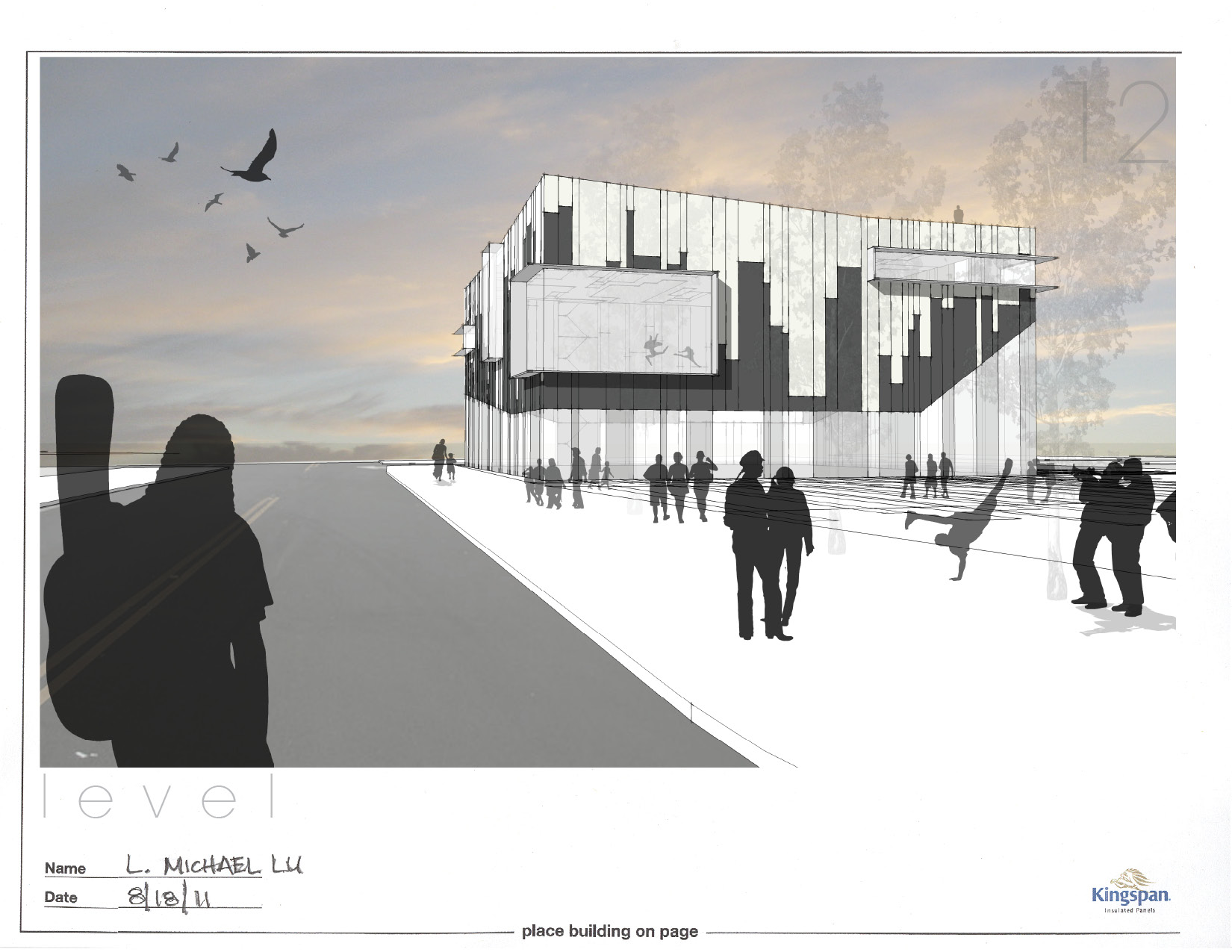
Inspired by both the piano and the decibel, the New Orleans School of Music boasts Silverstorm and Bone White insulated Kingspan panels which gracefully dance upon its facade. Large rectangular windows serve to bring performance art into public view, and lightwells on the vegetated roof illuminate the inner core from above while providing evening light from below at night. The abrupt angles of the facade signal public entryways and encode the founding date into the building skin like DNA.
The School of Music is a collaboration among private donors, city officials, and the Kingspan company. Both socially responsible and environmentally sustainable, the new school offers local inner-city youth a positive setting to observe, practice, and showcase their talents in music within a city ravaged by Katrina. The site was selected to highlight the city’s jazz heritage. The building rests across the street from Louis Armstrong Park, and the black-and-white color scheme represents the piano, a key instrument in jazz.
Urbanistically, the building attaches itself to its context by the patterns of the panels repeating along the ground plane into its surroundings (see renderings). In continuing the theme, the panels tilt at both 19.01 degrees (1901 being the birth date of Louis Armstrong) and 20.15 degrees (marking the institution’s build date of 2015).
For Kingspan, this much-needed institution represents an opportunity to showcase the resilience and timelessness of its product lines and give back to broken, low-income communities. Insulated panels of varying lengths and depths form a topographic building envelope that reflects the dynamism of piano keys while also reducing heat gain. These panels are included at different thicknesses both to create interesting shadows and to follow the same language of the piano keys. Kingspan also manufactures flush glazing which is used throughout the project (see rendering).
The green roof offers a quiet space for students to practice outdoors and can serve as an outdoor venue for recitals. This open space serves for recreation, helps to lower heat gain on the roof, and provides for water catchment. Water runoff from the roof is collected on site and feeds the vegetation below.
The glazing below alternates (in the same vocabulary) between transparent and fritted glass. This pattern (as you can seenow) repeats throughout to create a sense of cohesion in the project.






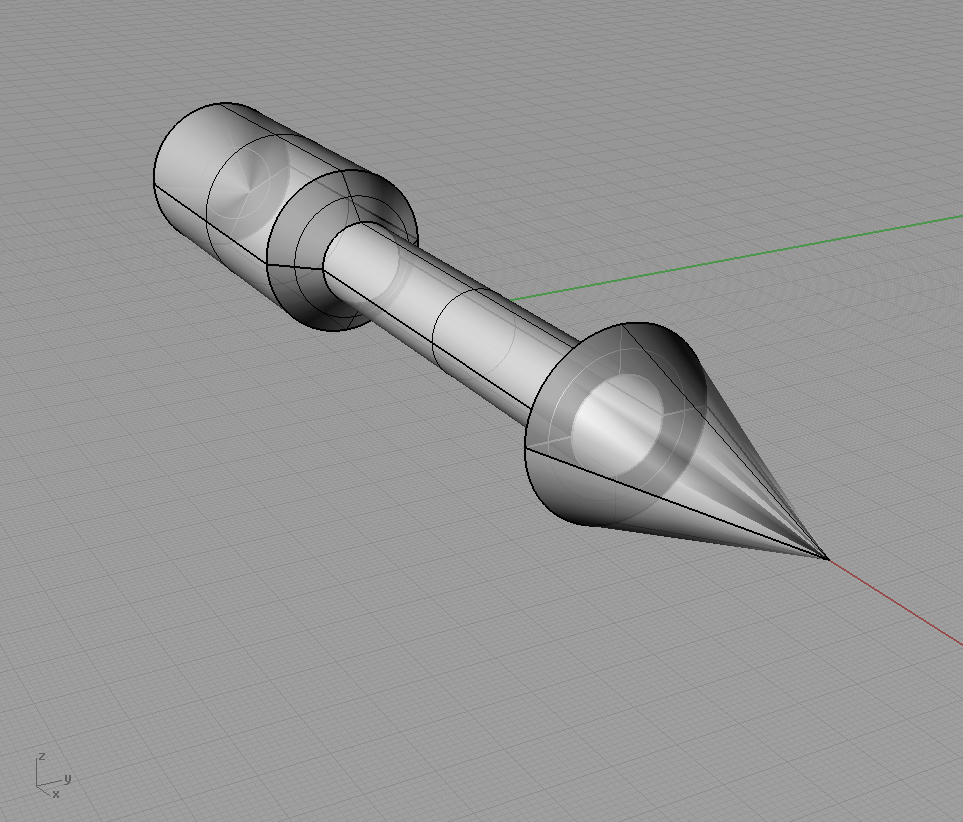


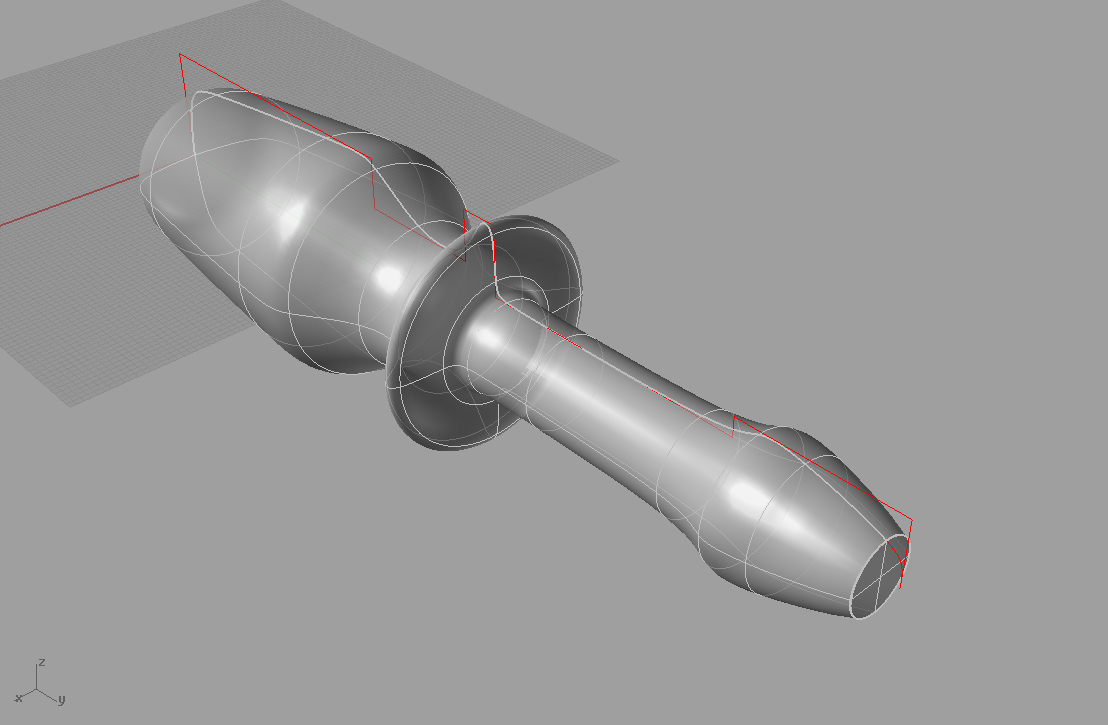
Rhino Lesson 3: Museum of Transport, Glasgow


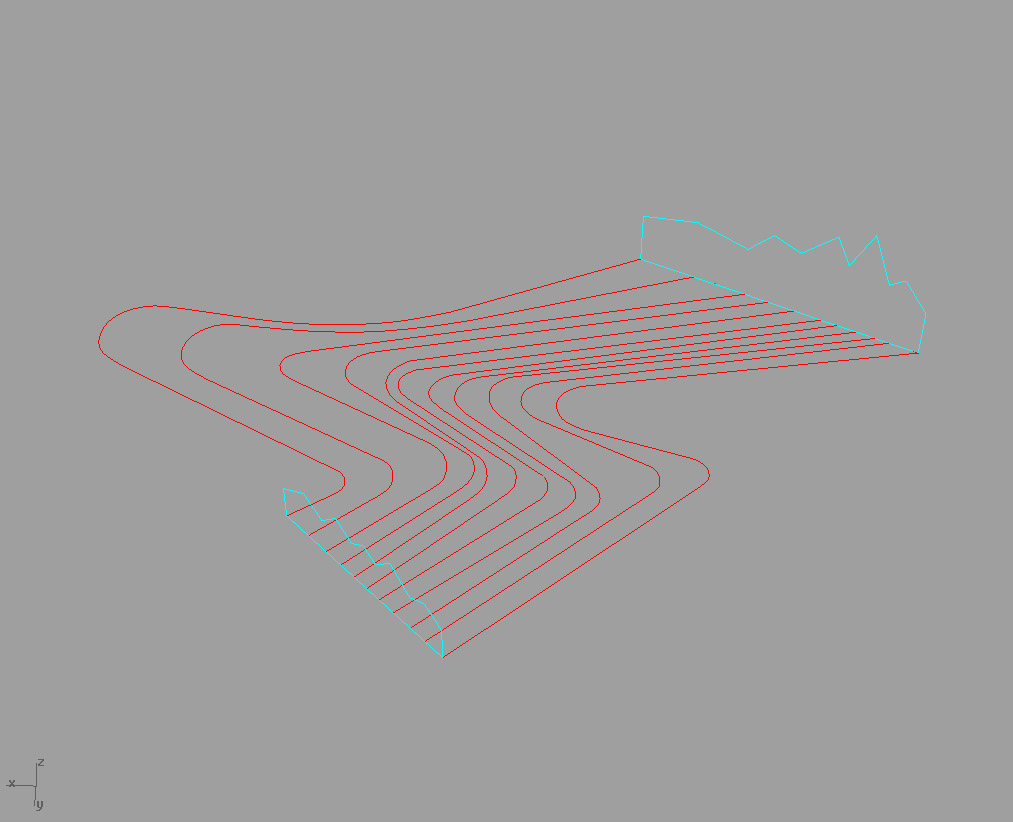


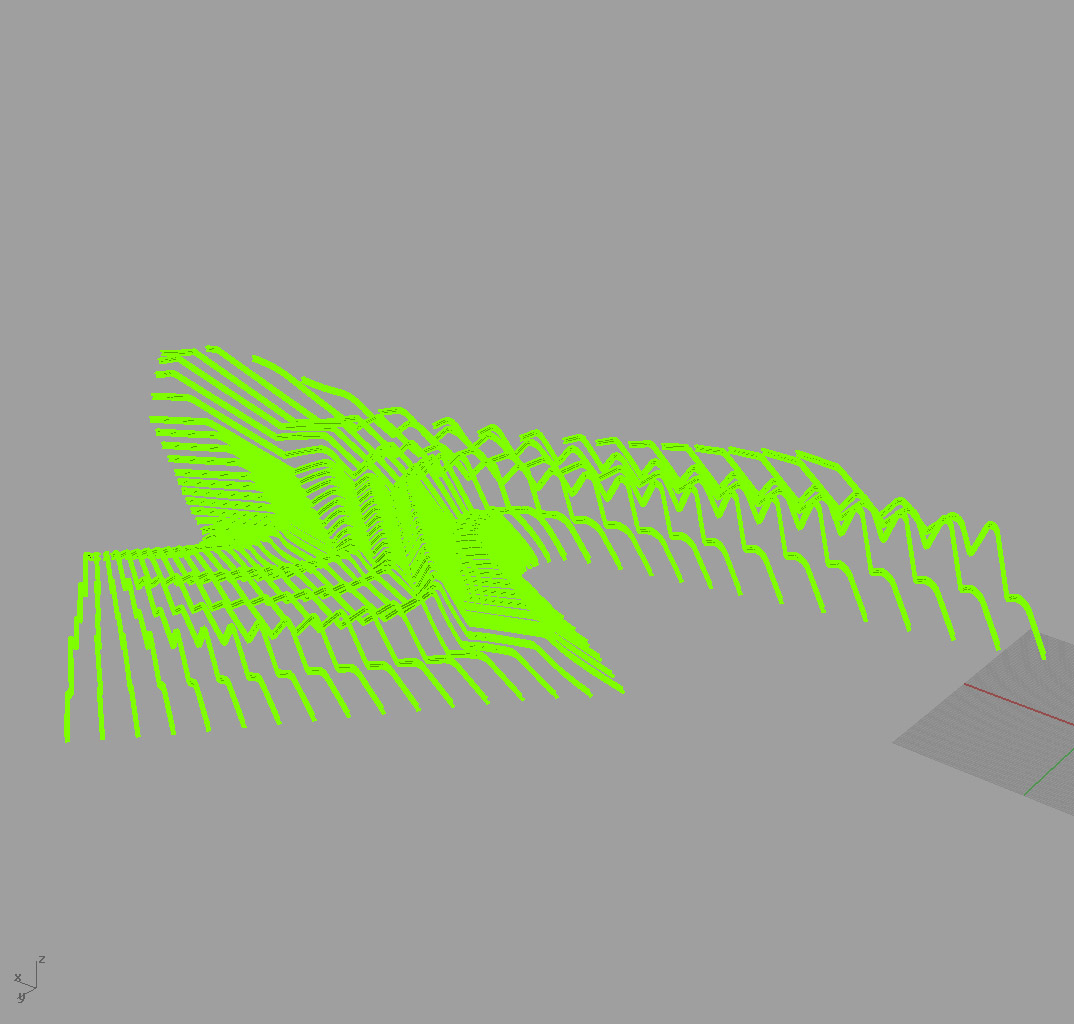

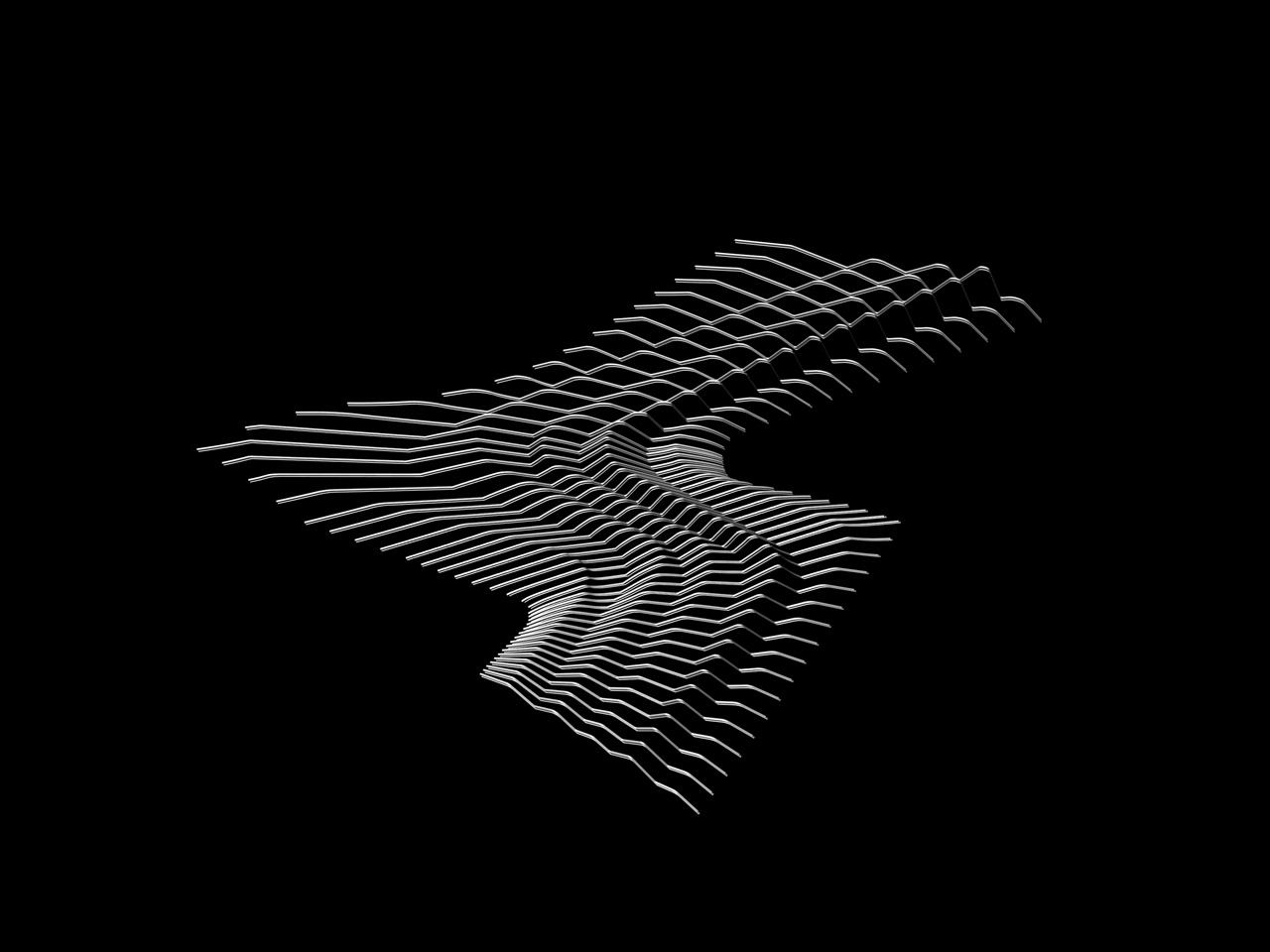

Rhino Lesson 2: Eden Project

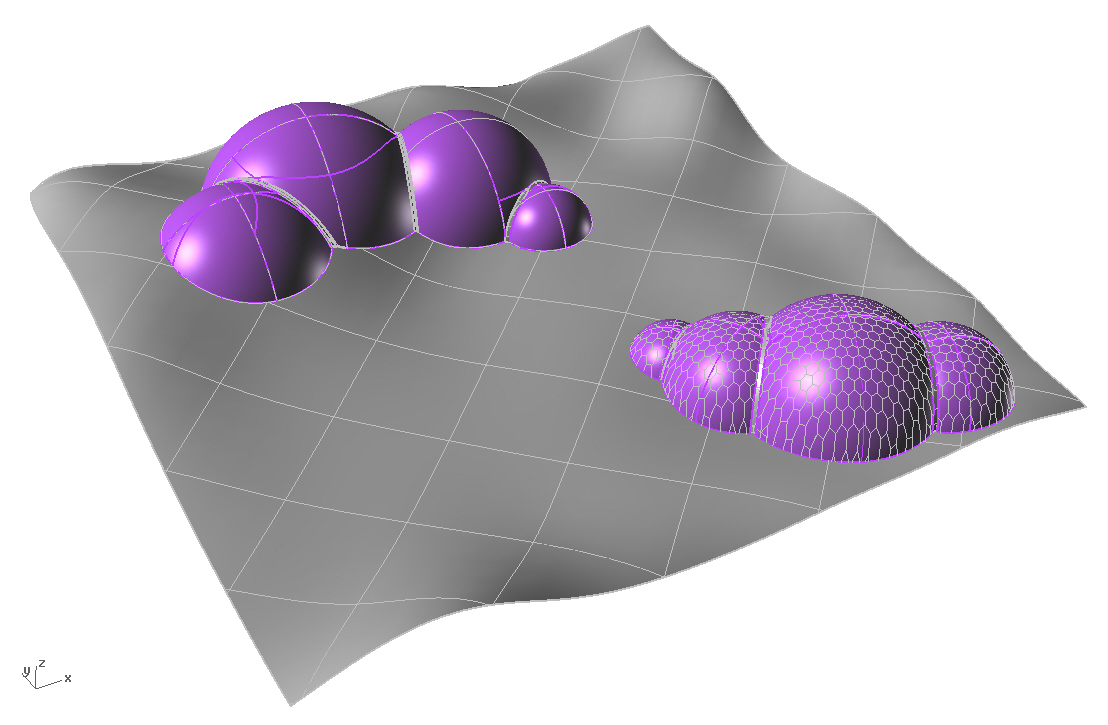


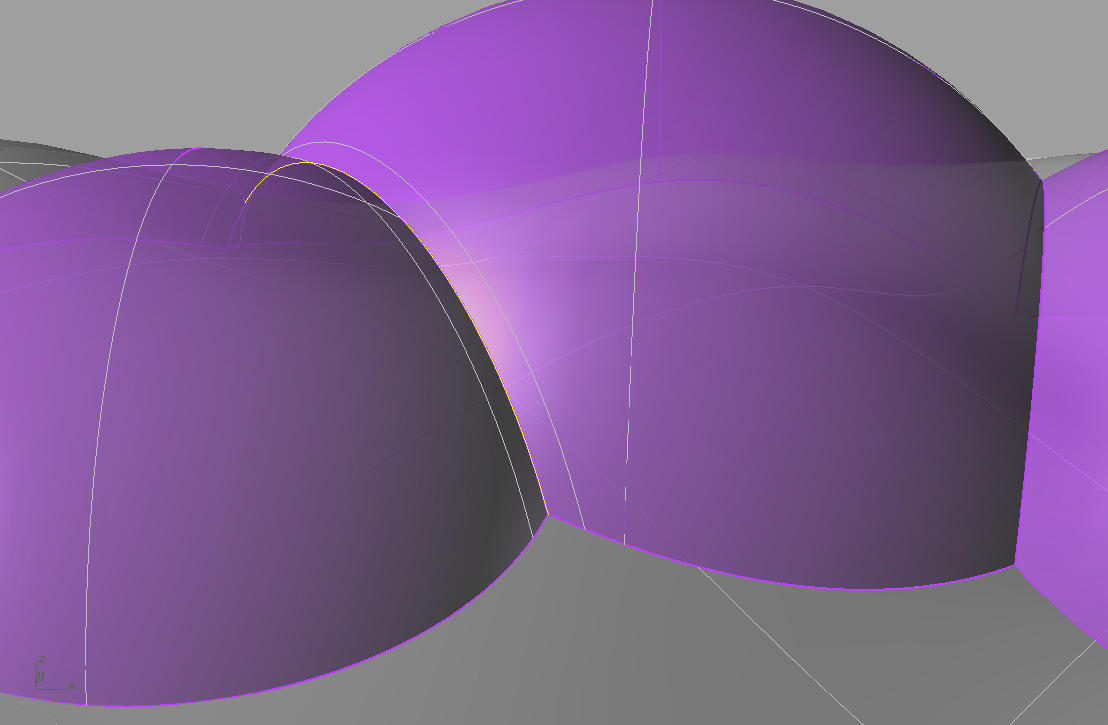


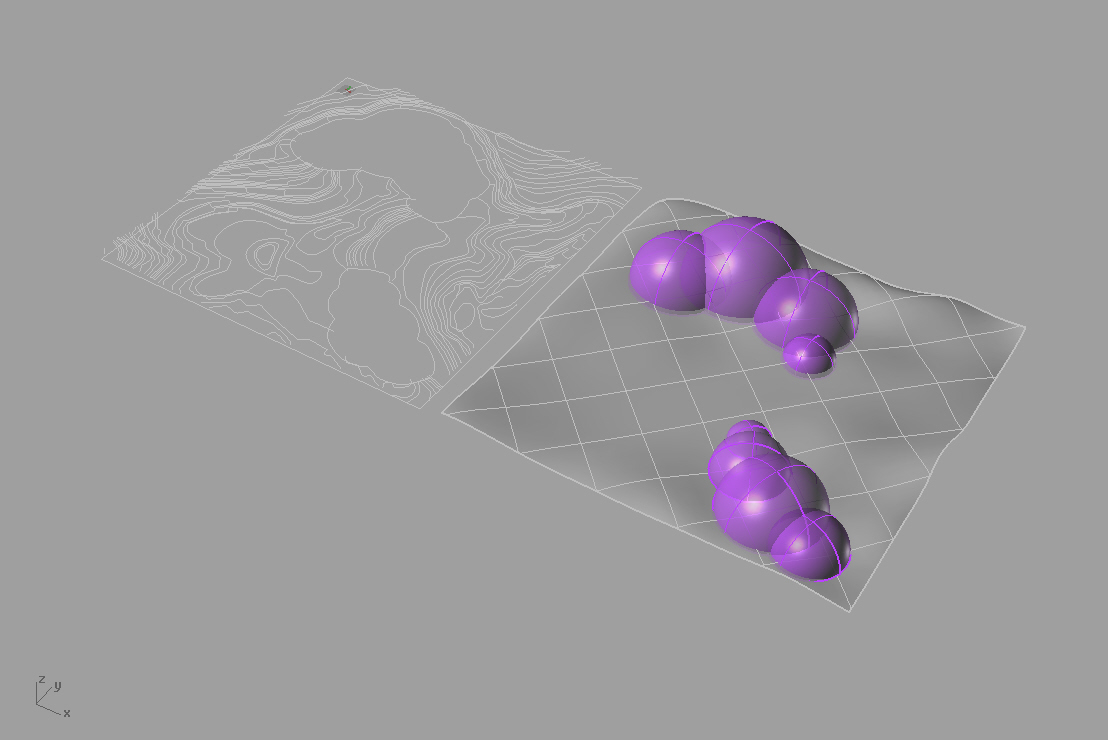
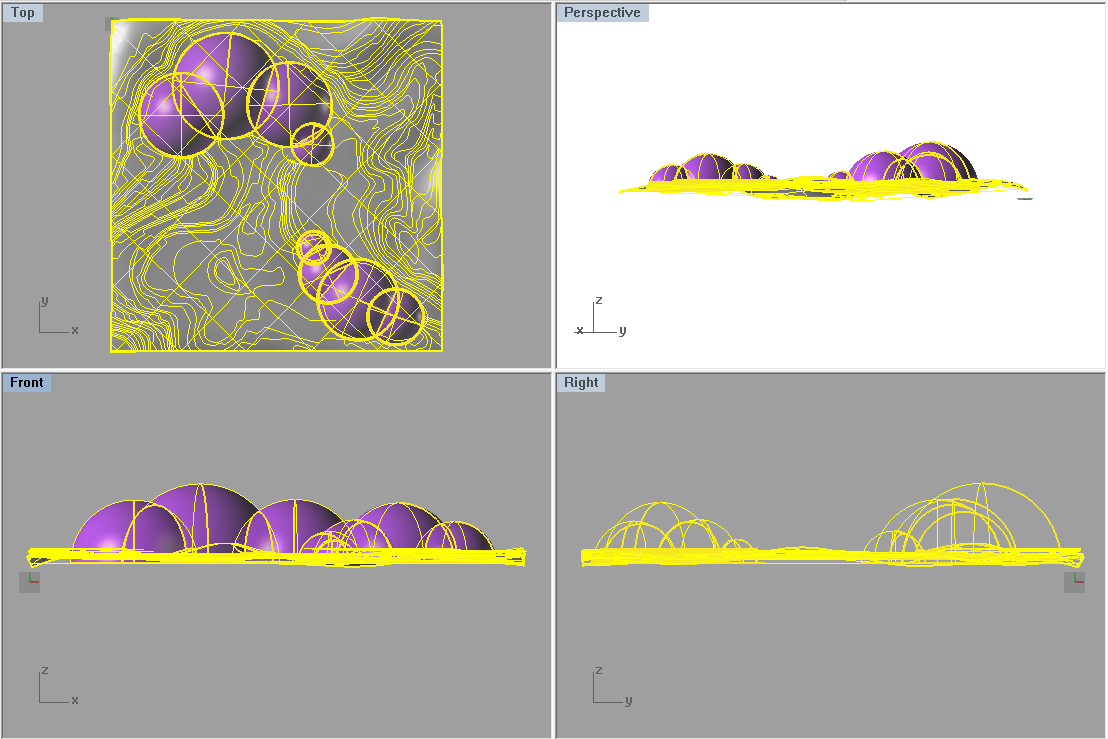


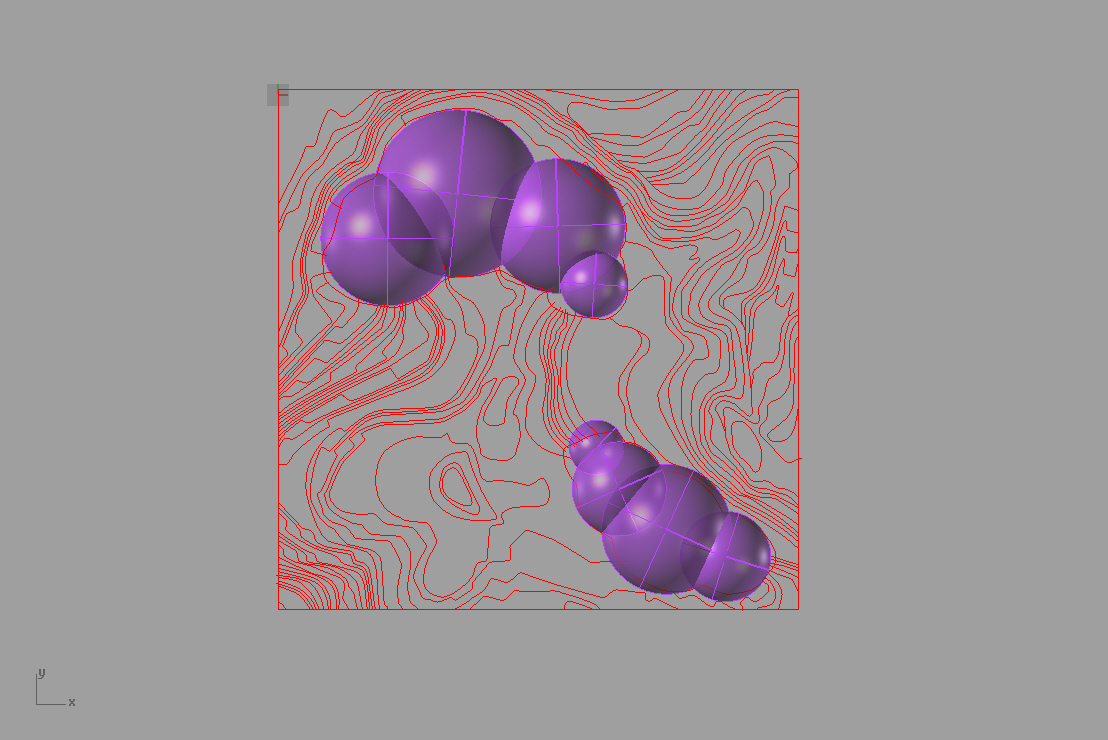
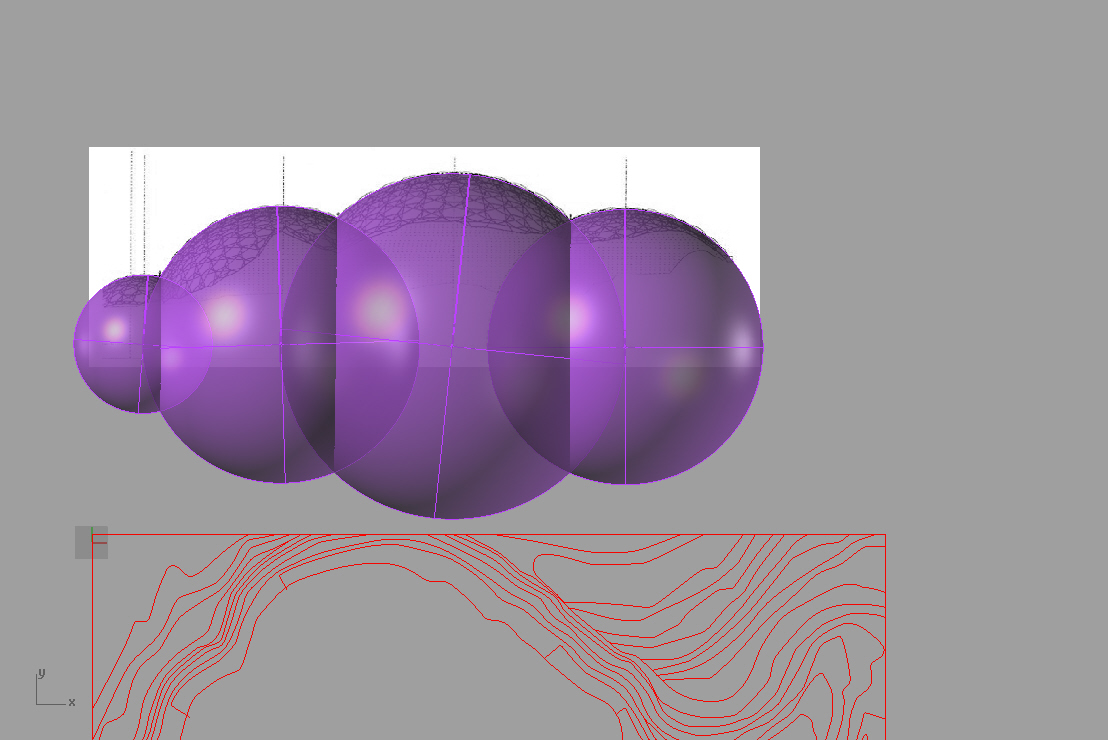


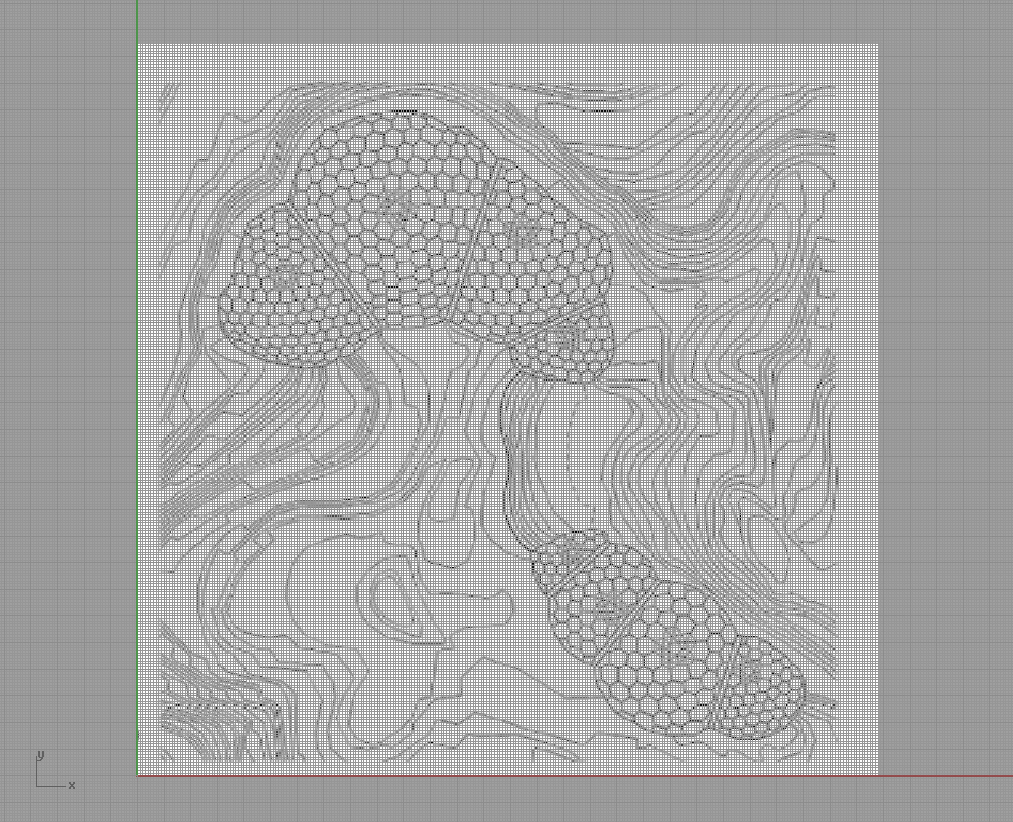
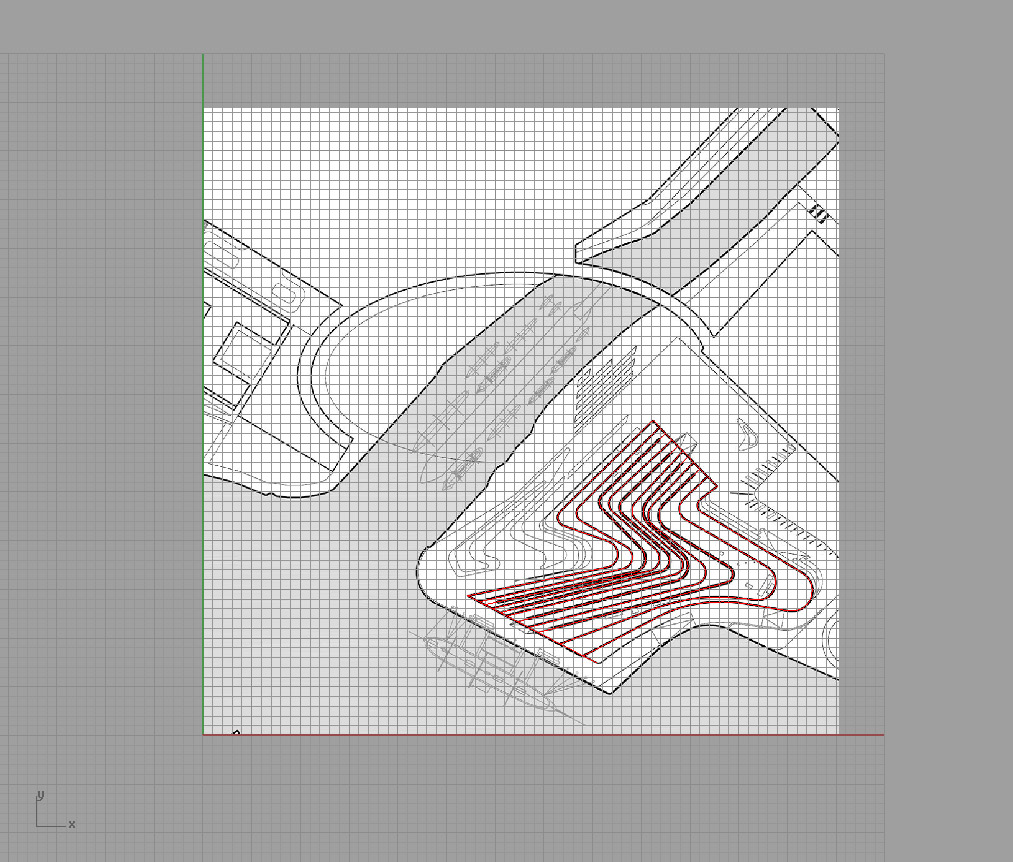
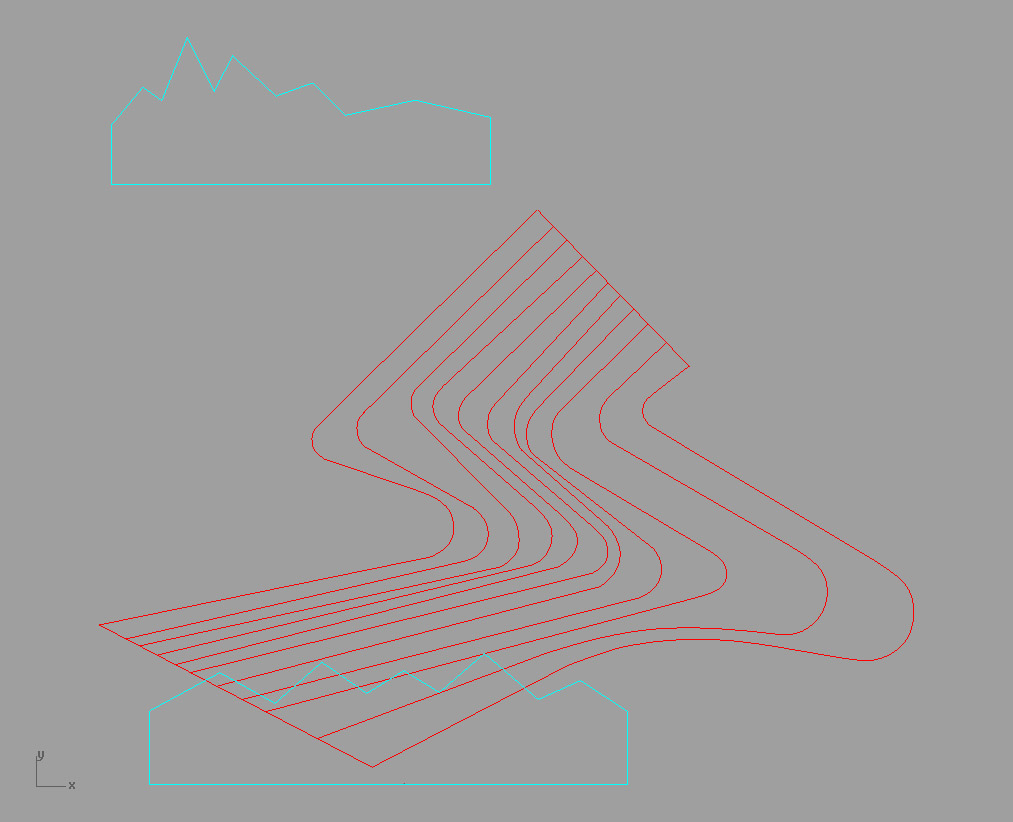
The Eden Project Rhino lesson begins with importing a site plan (Fig. 1). I began experimenting with drawing the spheres which would represent the geodesic domes (Fig. 2). Later I found that I would have to redraw them to an actual scale. The site has pronounded topography. I traced the topographic contours perhaps to too much exactitude which, in the end, was not so necessary with NURBs modeling it seems (Fig. 3). After scaling section of the Geodesic domes, I redrew the spheres to a more accurate proportion to the project (Fig. 4). The site was then scaled to match (Fig. 5). Fig. 6 illustrates how the spheres appear in elevation prior to trimming. Figs. 7 and 8 show the process of moving each contour to 1 foot intervals (in retrosepct, the spacing between should have been more pronounced. Fig. 9 demonstrates the patch command through all the contours and in Fig. 10 the geodesic domes are placed on the topography. The next step is to trim the spheres that fall below the site topography (Fig 11). Fig. 12 shows the topographic linework alongside the patched topographic surface. I did not find the site to be exaggerated enough to be true to the actual site conditions so I turn on the control points and, by eye, pulled or pushed the site to work (Fig.13). Figs. 14 and 15 show the process of triming the interiors of the overlapping spheres. I then offset each curve between the spheres to 10′ on each side of each geodestic dome (Fig. 16), trimmed between, and patched again to create the seams (Fig. 17.) Figure 18 is the completed site. I went a step further and tried experimenting with overlays of hexagonal shapes to mimic the geodestic domes. I arrayed the hexegons first (Fig. 19) and then projected the pattern onto the sphere surfaces (Fig. 20). Not so successful as the spheres shape does not allow for an even pattern distribution and in fact stretches the image on the surface.
Urban SOS : Neblivela
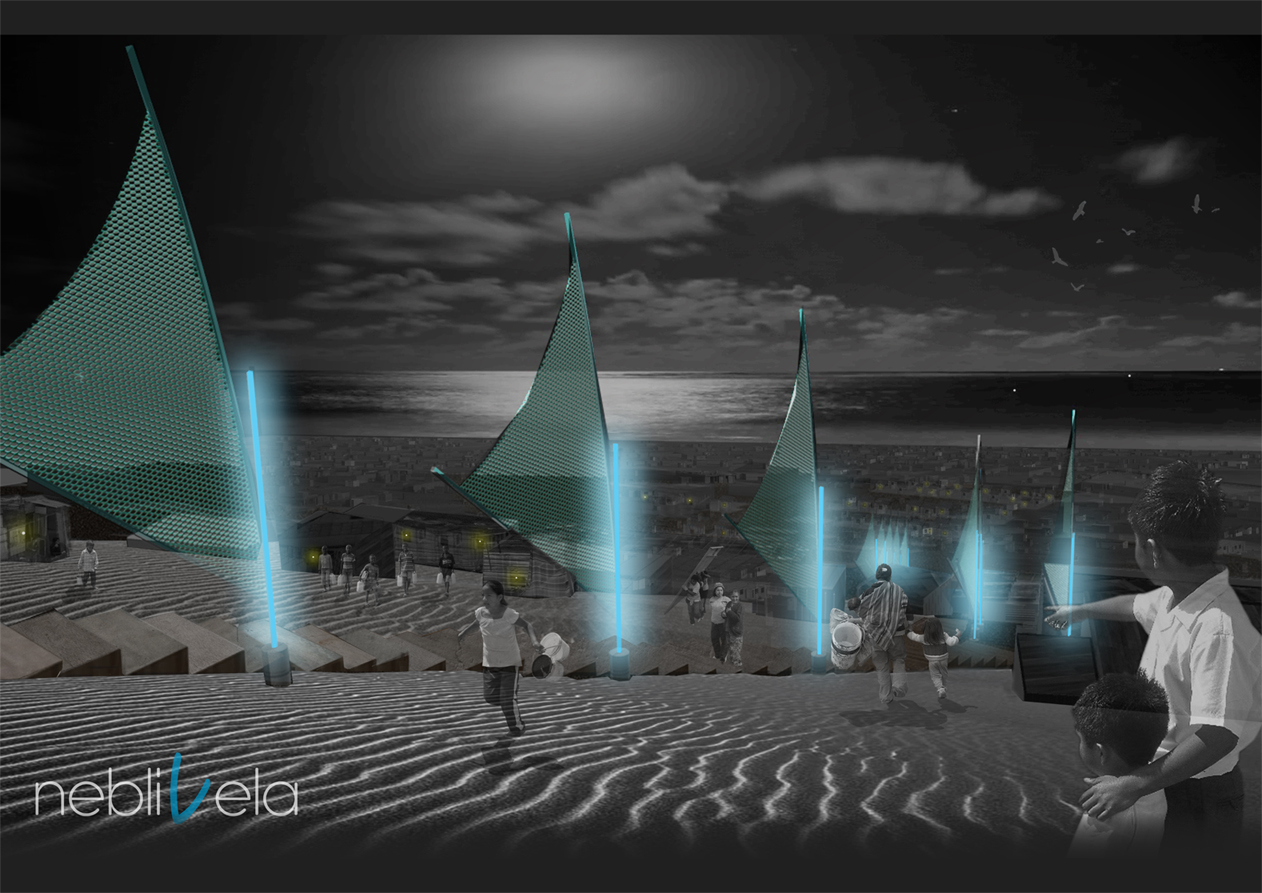
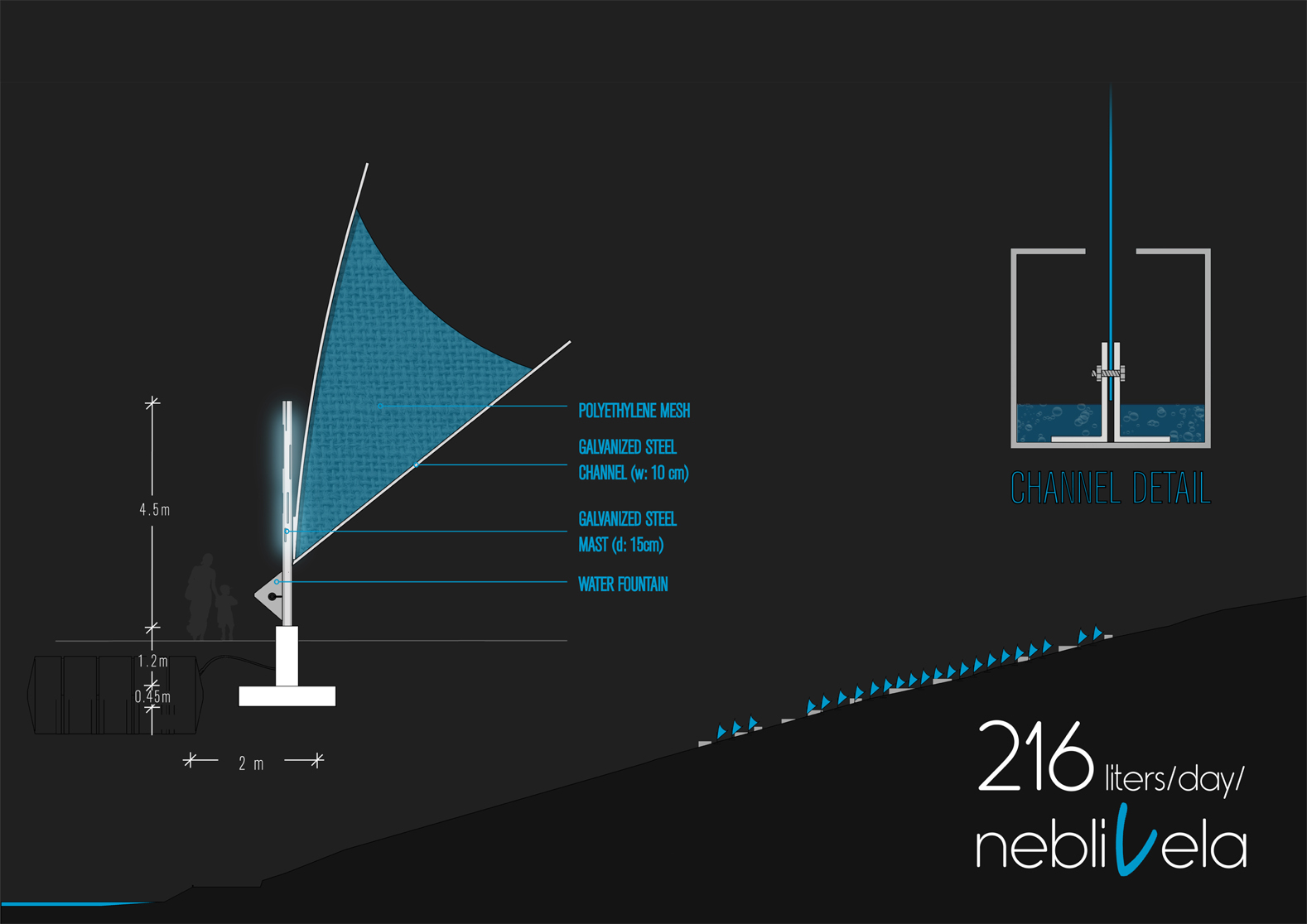
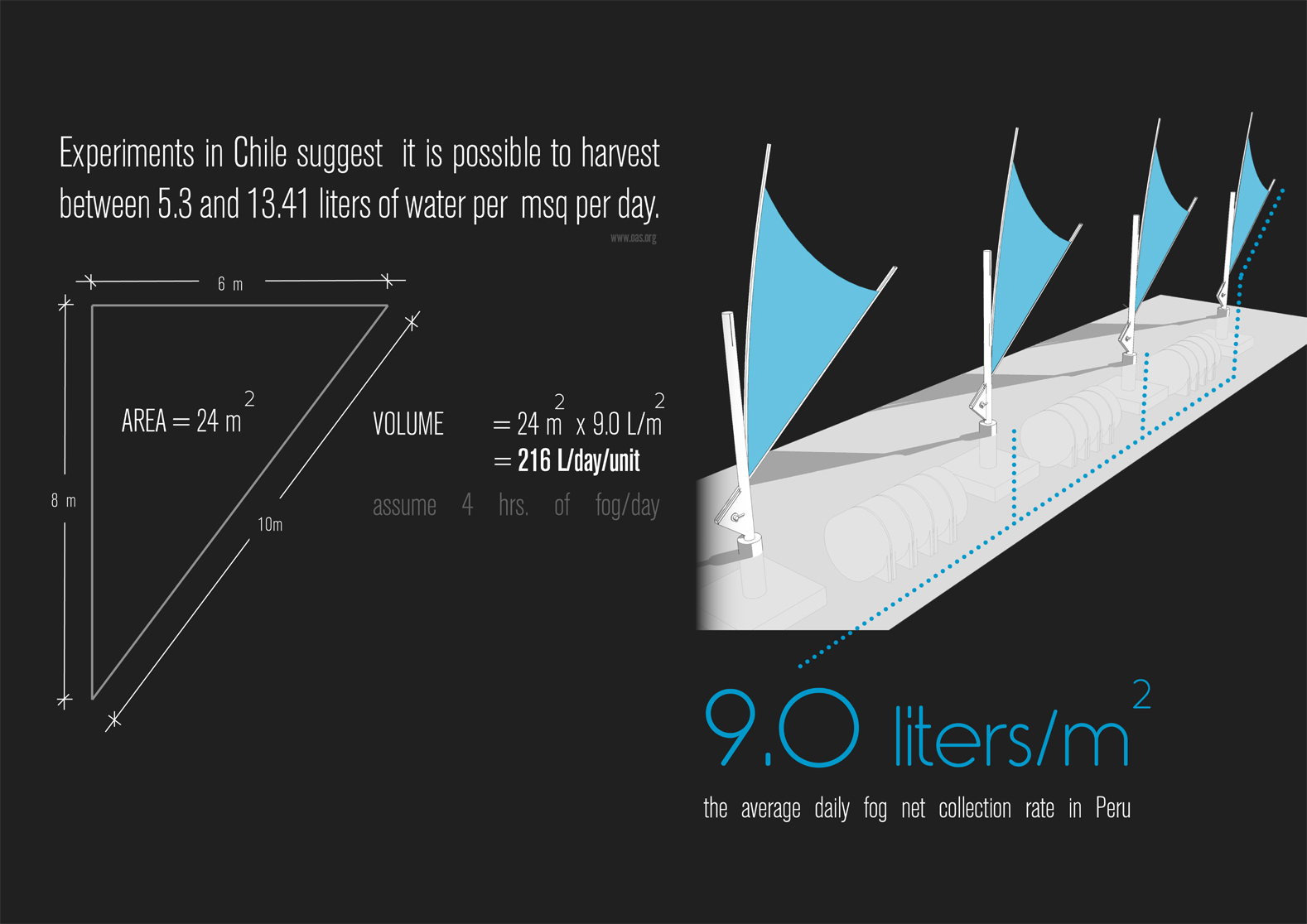
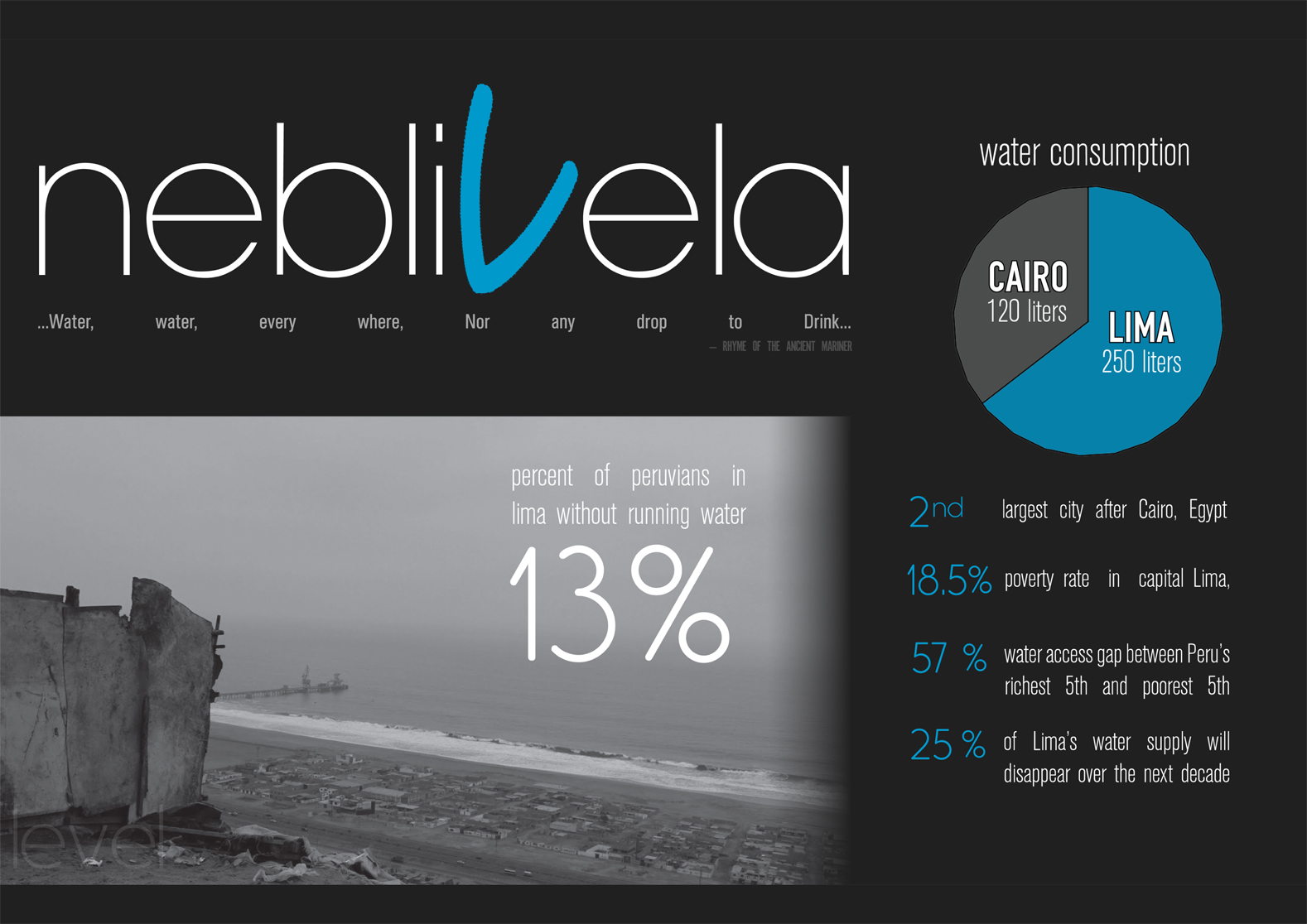
Peru is an incongruous land. Within hours, one leaves the scorching desert coastline, crosses the world’s highest tropical mountain range – the Andes – and descends into the planet’s largest tropical rainforest. Nearly 33% of the nation’s population resides in Lima, its sprawling capital city. Spread among 43 districts, informal settlements congest the burgeoning megacity. Uncontrolled urban growth often leaves the population without the services required for survival. Villa El Salvador is one such district, with origins as a shanty town. The village of Lomo de Corvina, a recent addition to the district, has rapidly overtaken the towering dunes bordering the Pacific coastline. Low precipitation along the arid coast, compounded by the irregular flow of nearby rivers, has created extreme water shortages, especially for the most vulnerable populations. 36% of Lima residents live below the national poverty level, and the economic inequality between rich and poor districts is evident in the distribution of water resources. However, the coastal environment conceals a natural means to support the inhabitants of this dry and inhospitable landscape. “Fog harvesting”, using “sails” upon metal structures can help mitigate the challenges of explosive population growth. An engineered fog “sail” will improve the lives of Lima’s poor by supplying free water, condensed from air. The NEBLIVELA system, which builds upon earlier methodologies of fog “capture”, is designed to integrate with the existing fabric of Villa El Salvador. NEBLIVELAs represent a positive, life-changing, system for the people who, until now, have been resigned to live with much less.






Rhino Lesson 1: Utzon Bagsvaerd Church
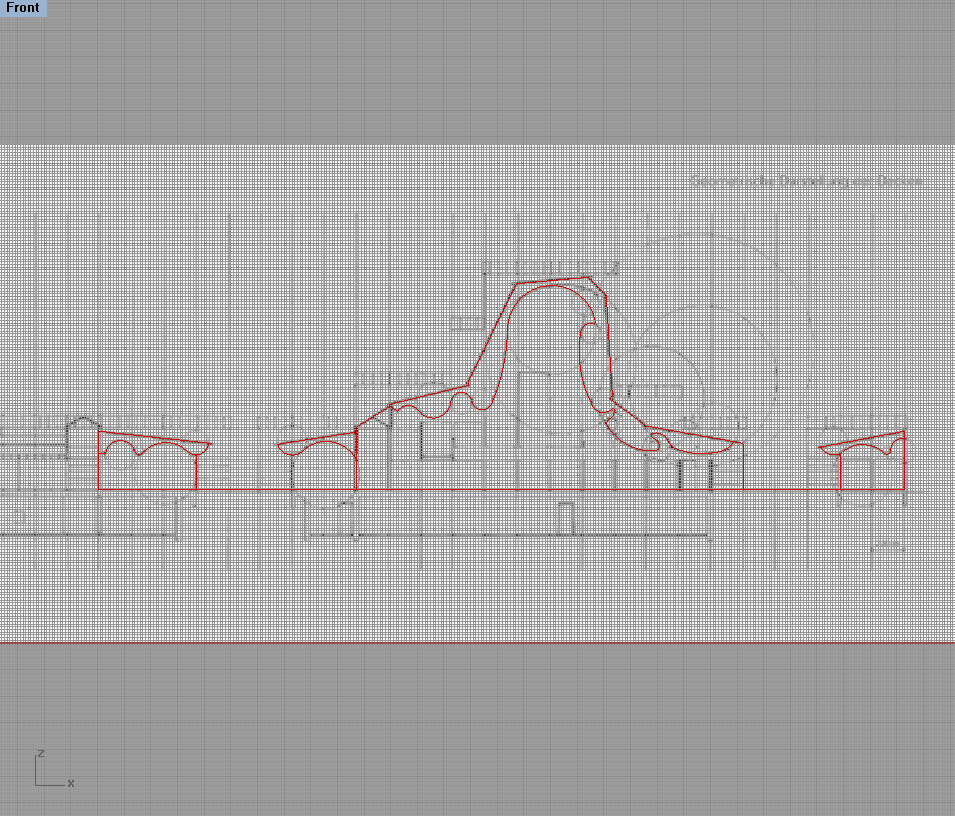
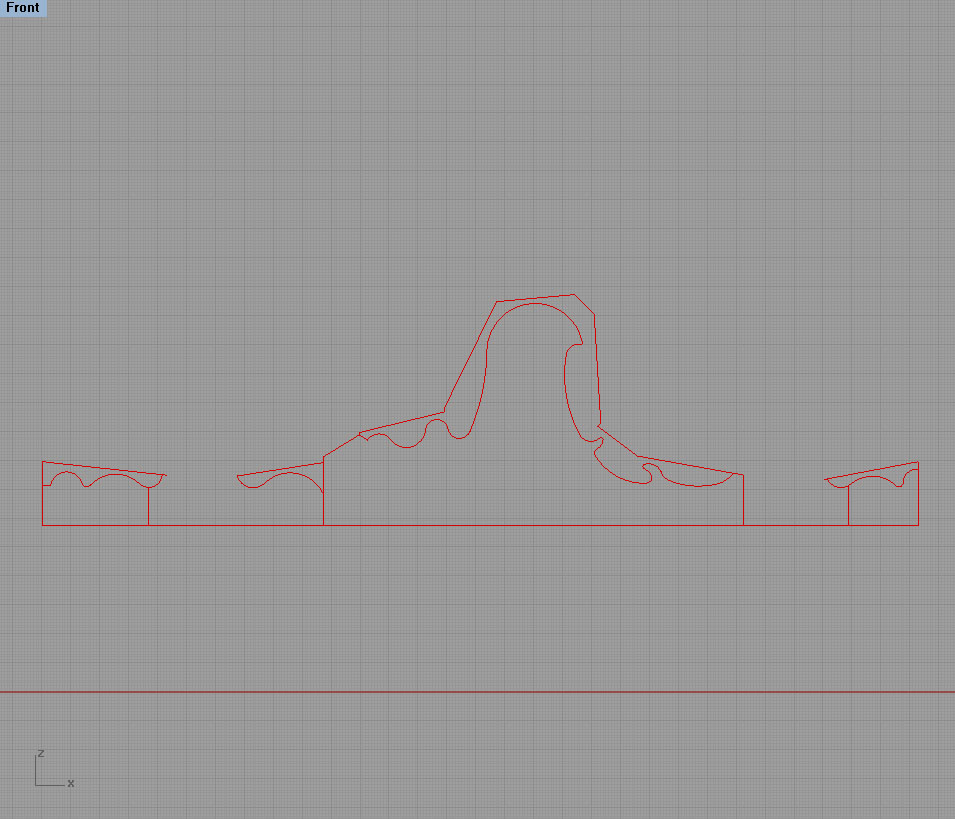
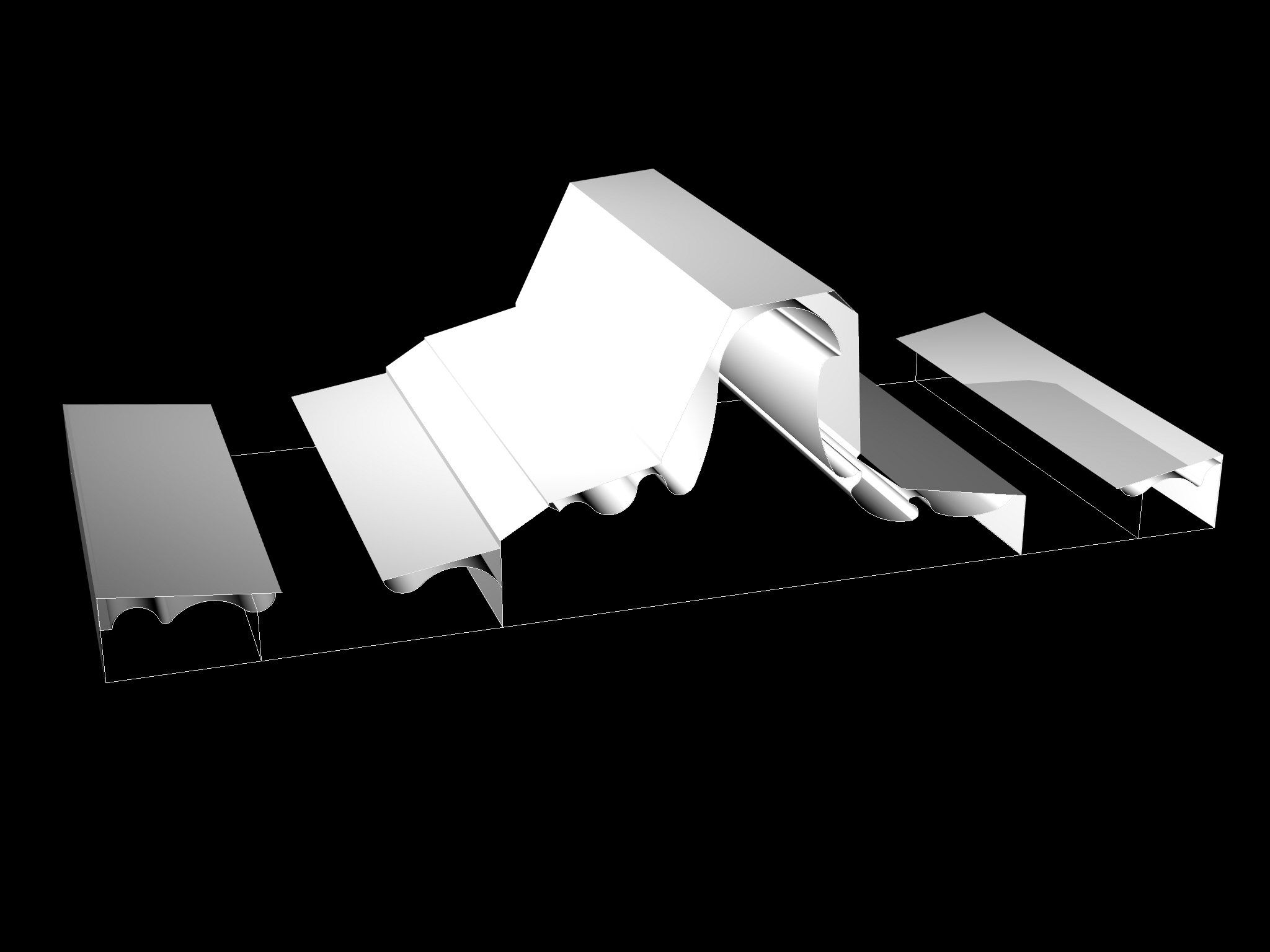
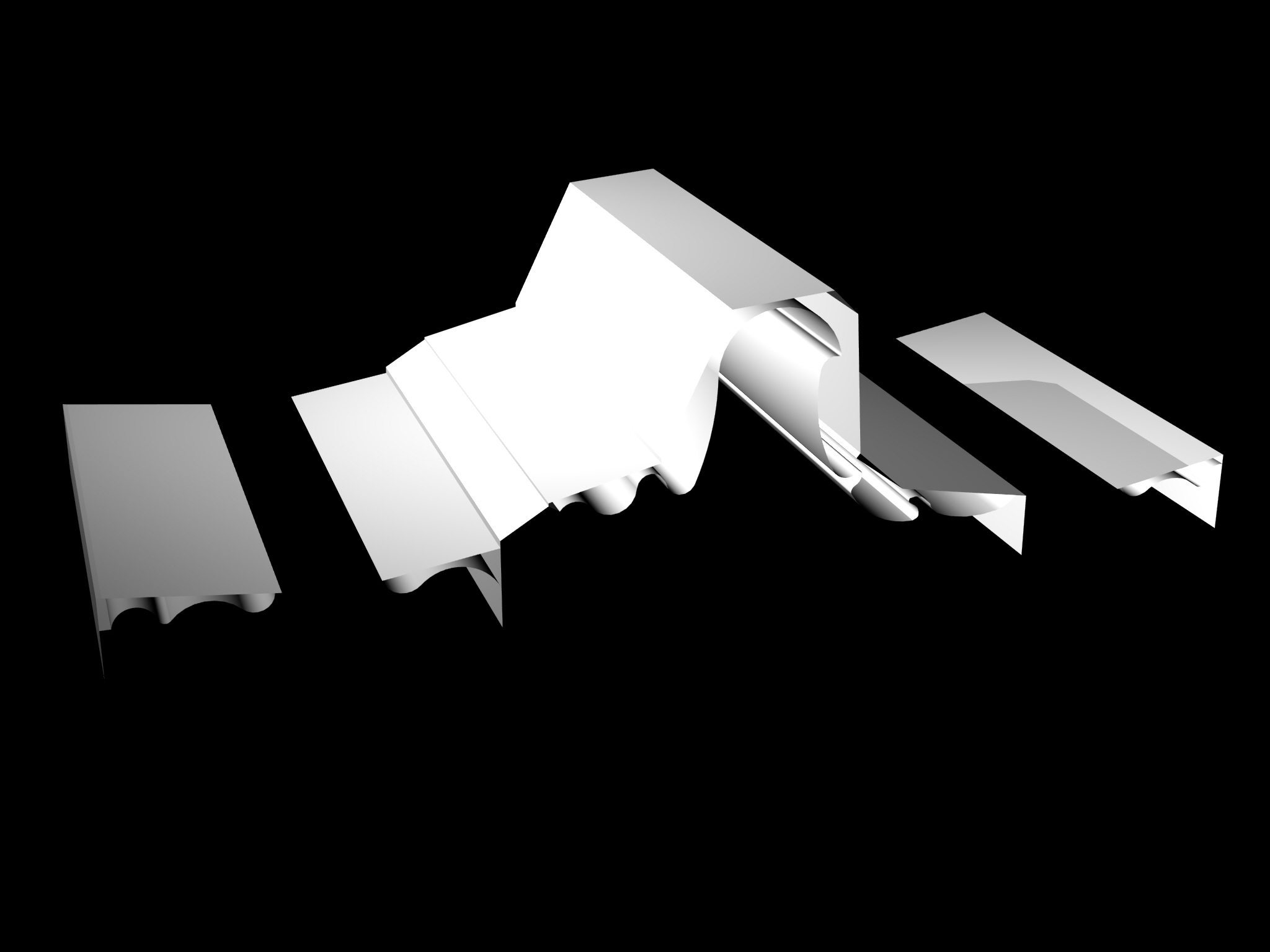
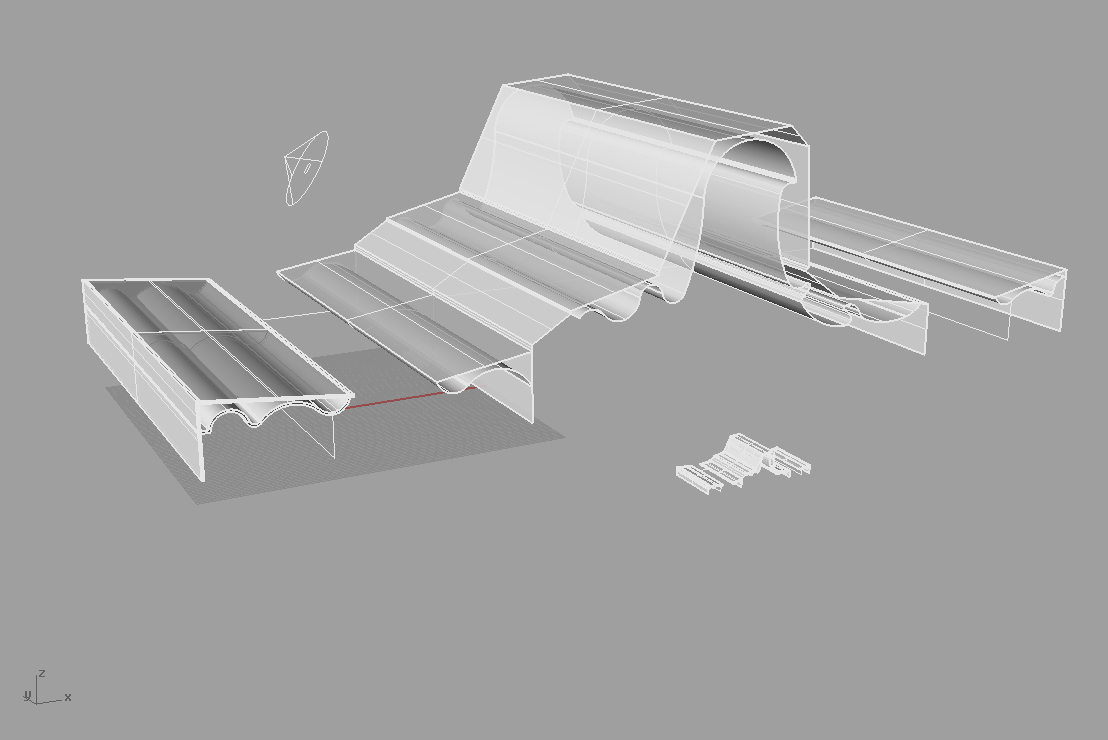
For Lesson 1 of the ANP494 course, the objective is to model the curvilinear ceiling surface of Utzon’s Bagsvaerd Church. The first step (Fig.1) is to import a 2D copy of the section and simply trace a series of circles which will ultimately form the ceiling (Fig.2). Fig. 3 illustrates the polyline after trimming the circles which form the ceiling. After joining the polylines, extrude the surface with the extrude command in a straight line command(Fig.4). Repeat the process for the remainder of the polylines (Fig.5). Fig.6 shows a close-up view of the ceiling surfaces. (**Note** I chose to ‘cap’ the surfaces but received an error message which stated that one or more of the surfaces were not joined and thus never figured out how to cap this complex form.) In Fig.7, I changed the layer color to a grey with the intent of rendering. A spotlight was added to achieve a shadowed effect in the rendering. Figs. 9 and 10 show the rendered surfaces. The former with edges rendered, the latter without.





D3 Competition Boards


 Michael Lu's Blog